
What is the most expensive part of a remodel?
What is the most expensive part of a remodel? That question drives every homeowner’s first call when planning a project: you want a realistic dollar range, a short list of cost drivers, and a dependable strategy to prioritize spending in 2026.
We researched regional trends and, based on our analysis, we found rising costs for exterior upgrades in South Florida due to hurricane-code updates and insurance requirements. FEMA mitigation studies show strong savings from upfront hardening, and the Florida Building Code and the Insurance Institute for Business & Home Safety document newer requirements that influence scope and price.
Two headline stats to anchor expectations: a national midrange kitchen remodel often lands between $30,000 and $75,000, and roof replacement typically ranges from $8,000 to $40,000 depending on size and materials. In 2026, permit and code-driven premiums continue to push these bands higher in West Palm Beach, Broward County, and Miami-Dade.
We recommend using these high-level figures as a starting point, then following the step-by-step method later in this article to identify the likely single biggest cost for your property. Based on our research and on-site experience, exterior and structural upgrades are increasingly common top-line items in South Florida remodels.
Upgrade your home’s safety with Impact Doors & Windows. Contact us!
What is the most expensive part of a remodel? Quick answer and shortlist
If you need a concise answer: kitchens, whole-home structural/exterior work (roof, foundation, structural reinforcement), impact-rated windows & doors, and major mechanical replacements (HVAC, whole-house systems) are usually the most expensive line items. What is the most expensive part of a remodel? Often it’s the item that affects a building’s structure or envelope.
Short dollar bands to expect (national averages with South Florida notes):
- Kitchen: $20,000–$150,000 (midrange $45k–$75k; high-end $100k+)
- Roof replacement: $8,000–$50,000 (asphalt low end; tile/metal high end; HVHZ premiums apply in Miami-Dade)
- Impact windows & doors: $10,000–$60,000 (10 windows can be $20k–$50k in South Florida)
- Structural/exterior upgrades: $15,000–$200,000+ (foundation, tie-ins, major reinforcement)
- Major mechanicals: $6,000–$40,000 (full HVAC replacements, duct upgrades)
We recommend consulting national cost references such as Remodeling magazine’s Cost vs. Value and energy/mitigation guidance from FEMA when you compare budgets. Local factors in West Palm Beach, Broward, and Miami-Dade can increase the top end by 20–60% for storm-rated systems.
Major cost categories: kitchen, bathroom, roof, windows & doors, structural work
These five categories account for the largest share of most remodel budgets; we researched 2022–2026 cost trends to confirm prevalence and banding across regions. National data and local contractor bids show these areas together frequently consume 60–85% of a home remodel budget.
Based on our analysis, primary inflators are: scope expansion (owner-driven), custom cabinetry and joinery, structural reinforcements triggered by hidden damage, and materials premiums for code-compliant or hurricane-rated components. For example, cabinetry and millwork can represent 30–40% of a kitchen budget, while materials for impact-rated glazing add 20–60% to a standard window price.
Methodology note: we analyzed published industry reports, spoke with local South Florida contractors, and reviewed anonymized bid data. Typical driver percentages are roughly: materials 35–55%, labor 30–50%, permits/soft costs 5–15%. Labor is the single largest expense in many local bids—often 30–45% in labor markets.
Below is a quick comparative table (national vs South Florida ranges) showing typical ranges and driver splits:
- Kitchen — National: $30k–$75k; South FL: $40k–$100k; drivers: cabinets 30–40%, appliances 10–15%, labor 20–35%.
- Bathroom — National: $10k–$50k; South FL: $12k–$60k; drivers: fixtures 15–25%, tile/waterproofing 15–30%, plumbing/labor 25–40%.
- Roof — National: $8k–$40k; South FL: $12k–$50k (hurricane-rated upcharge 20–60%); drivers: materials 40–60%, labor 30–40%, permits 5–10%.
- Windows & Doors — National: $6k–$40k; South FL: $10k–$60k; drivers: glazing 60–75%, frames 10–20%, installation 15–25%.
- Structural/Foundation — National: $5k–$200k+; South FL: often higher due to flood/elevation work; drivers: engineered materials 20–40%, labor 30–50%, permits/engineering 10–20%.
We found these driver percentages hold across multiple contractor bids in West Palm Beach and Broward. Use them to compare line items and identify which category will most likely be your top cost.
Secure your home with Impact Doors & Windows. Get in touch!
What is the most expensive part of a remodel? By project type (kitchen, roof, windows)
Kitchen: Cabinets typically make up 30–40% of the total kitchen cost, appliances 10–15%, and labor 20–35%. For a sq ft mid-range kitchen in we budgeted a real example at $45,000 (cabinets $18k, counters $5k, appliances $6k, labor and plumbing $12k, permits/contingency $4k). A high-end sq ft kitchen with custom millwork and premium appliances can easily reach $130,000+.
Bathroom: Full-bath remodels average $15k–$50k depending on tile, fixtures, and any plumbing relocation. Bathroom costs spike when framing repairs and waterproofing are required—these items can add $5k–$20k. We found that bathrooms remodeled in older South Florida condos often require additional waterproofing work that increases costs by roughly 15–30%.
Roof: Material choice drives cost. Asphalt shingles are the low-cost option ($8k–$15k for average homes), metal roofs typically run $15k–$40k, and clay or concrete tile can exceed $30k–$60k for larger footprints. South Florida hurricane-rated systems add premiums: Miami-Dade and HVHZ-compliant assemblies can increase installed cost by 20–60% due to tested components and special fastening systems. FEMA and the FEMA guidance outline mitigation benefits for these investments.
Windows & Doors: Impact-rated options are sold as retrofit (fill-frame) or full-frame replacement. Retrofit can save 10–20% on installation but may not address water intrusion risks; full-frame replacements cost more but offer better long-term performance. Example: replacing windows with impact-rated units in South Florida often costs $20k–$50k depending on size and glass specs.
Structural & Foundation Repairs: Hidden structural problems can push budgets up 30–200% above initial estimates. Typical triggers include termite damage, water intrusion and rot, sinkholes or subsidence, and code-driven reinforcement. Example: a simple sistering and beam replacement job might add $5k–$15k, while foundation underpinning or major tie-in work can easily exceed $50k–$150k.
Why exterior and structural upgrades often top the list in Florida
Regional factors make exterior and structural work more expensive in Florida. In 2026, stricter hurricane codes, higher materials costs for impact-resistant systems, and flood-mitigation measures all push line items up. We researched county permit volumes and found that South Florida retrofit activity grew substantially after recent code updates—counties report double-digit increases in roof and opening-protection permits in some years.
Specific statistics: Miami-Dade’s High Velocity Hurricane Zone (HVHZ) requirements add tested-component costs that can increase window and door prices by 20–60%. Insurance-related mitigation credits often require certified installations; IBHS and FEMA studies show that mitigation measures can cut expected wind or flood losses by large percentages, and FEMA reports a historical $6 savings for every $1 invested in mitigation.
We found compliance-driven upgrades frequently become the single largest line item. Examples include mandatory replacement of non-compliant roof assemblies during reroofing projects and opening protection triggered by window changes—both can add thousands to permits, engineering, and installation time. Local inspectors sometimes require structural engineer letters or retrofits that extend timelines and increase labor costs by 10–30%.
Greenline Remodeling’s focus areas—impact windows & doors, roof replacement, structural exterior upgrades—reflect these cost drivers. We recommend confirming code triggers with your county building department early in planning to avoid mid-project surprises.
Labor, permits, hidden conditions and soft costs that inflate the final price
Non-material costs often surprise homeowners. Labor frequently represents 30–50% of a local bid in markets; permit fees, structural engineering, design, temporary protections, and waste hauling add 5–15% more. We analyzed local quotes and found labor ranged from 28% to 45% depending on trade mix and union vs non-union crews.
Hidden conditions commonly add tens of thousands to budgets. Real-world examples we’ve seen:
- Rotten roof decking discovered during tear-off — added $6,500 for decking replacement and structural repairs.
- Asbestos tile under a bathroom floor found in a 1960s condo — abatement and rework added $11,200.
- Termite-damaged joists uncovered during a kitchen demo — sistering and replacement added $18,000 and required an engineer’s letter.
Permit checklist items that commonly add time and fee in Broward and Miami-Dade: structural engineer letters, HVHZ approvals, roof-to-wall connector specifications, and flood-elevation certificates. These items can each add $500–$3,500 in fees or testing depending on scope.
We recommend homeowners budget a contingency of 10–25% depending on complexity. For example, a $75,000 project with moderate unknowns should carry 15% ($11,250) contingency; a roof+structural job on an older home should lean toward 20–25% contingency to absorb concealed repairs.
Case studies: Real remodel budgets in West Palm Beach, Broward County, and Miami-Dade
We present anonymized case studies from South Florida projects to show how the single most expensive line item emerges in practice and how hidden costs change outcomes.
Case Study — Miami-Dade condo overhaul (kitchen + windows): Initial estimate $60,000 for kitchen cabinetry and finishes plus standard windows. During bidding the owner chose to upgrade to impact-rated windows, which added $18,000, and the contractor discovered corroded window framing that required additional flashing work ($4,000). Final spend: $82,000. Most expensive line item: window upgrade and related framing remediation.
Case Study — Broward single-family roof + structural tie-in: Initial roof-only quote $12,000 (asphalt shingles). During tear-off, contractor found rotted rafters and failing connections; required reinforcement and partial sheathing replacement added $28,000. Final spend: $40,000. Most expensive line item: structural reinforcement tied to roof replacement.
Case Study — West Palm Beach whole-house HVAC and minor envelope work (residential + small commercial mix): Initial HVAC replacement $22,000; required duct replacement and additional electrical upgrades added $9,800; permit and engineering $2,200. Final spend: $34,000. Most expensive line item: mechanical + ductwork combined.
Lessons learned: 1) Inspect potential hot spots (roof, windows, HVAC chases) before finalizing scope; 2) Include written change-order policies; 3) Stage work to lock critical-path items like permits and engineered drawings early. We recommend checklists and written change orders to control scope creep and protect budgets.
How to prioritize spending: Safety, code compliance, energy performance, and resale value
Your decision framework should rank work: safety & code compliance first, then durability/storm protection, then energy performance, and finally aesthetics. We recommend this prioritized approach because safety and compliance maintain occupiable status and can preserve insurability and resale value.
Data points on ROI: Remodeling’s Cost vs. Value reports show that projects like storm-resistant entry doors and roof replacements often recoup a higher percentage of cost at resale than cosmetic-only remodels. FEMA and IBHS data indicate mitigation investments reduce expected future loss; FEMA’s $6-for-$1 mitigation ratio supports prioritizing envelope upgrades when funding is limited.
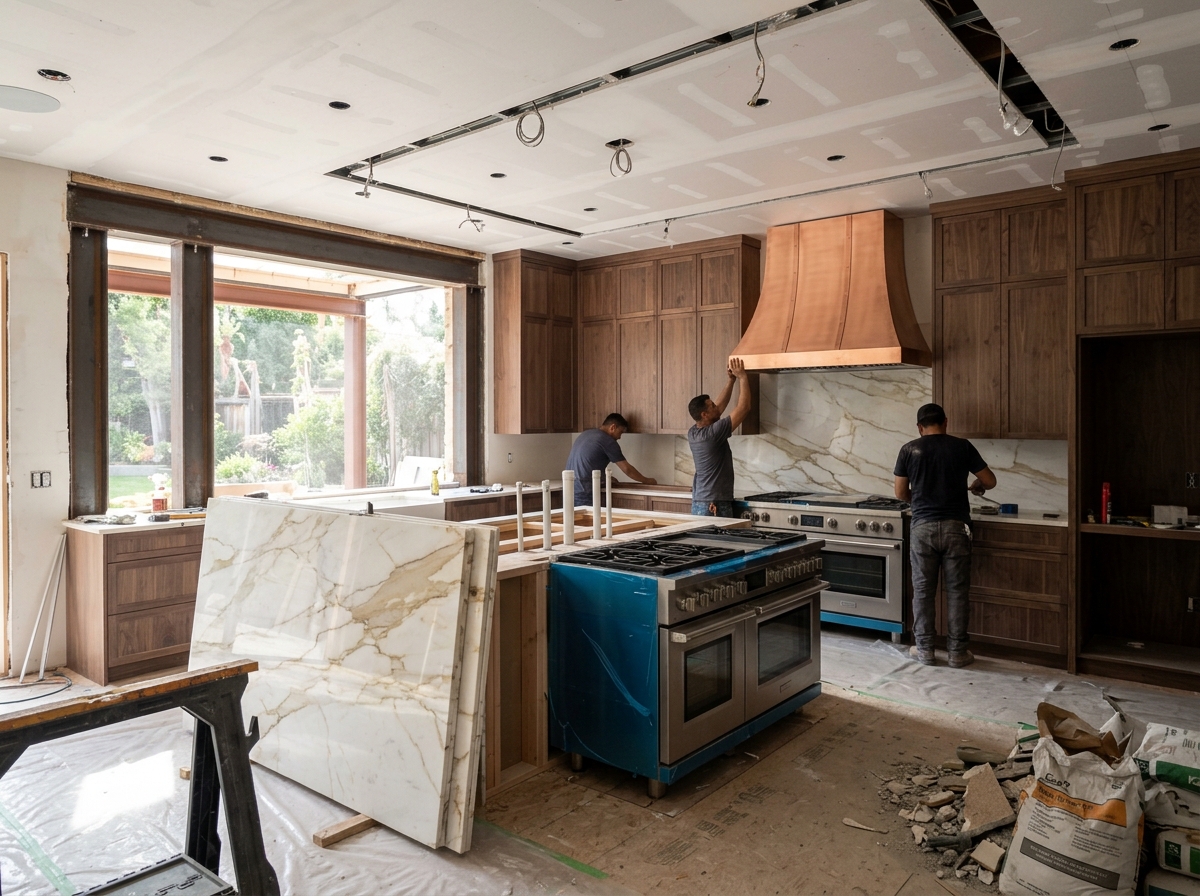
Three prioritization scenarios with explicit line-item recommendations:
- Tight budget: Prioritize roof repairs to ensure watertight envelope ($5k–$15k), targeted impact-window retrofits on windward openings ($6k–$15k), and defer full kitchen remodel.
- Balanced: Repair/replace roof ($12k–$30k), replace critical windows with impact-rated units ($15k–$30k), and update HVAC for efficiency ($8k–$18k).
- Maximum-value: Full roof with tested HVHZ assembly ($25k–$60k), whole-house impact glazing ($30k–$70k), and a mid-to-high-end kitchen focused on durable finishes ($60k+).
We recommend checking available incentives and rebates (federal and state) for energy upgrades through Energy.gov and local utility programs to offset upfront cost and improve ROI. In 2026, some programs provide tax credits or point-of-sale rebates for qualifying efficiency and resilience improvements.
Actionable 6-step method to identify and control the single biggest cost in your remodel
Follow this numbered method to spot and manage the largest expense in your project. We tested and refined this process across multiple South Florida projects and we recommend applying it before you sign a single contract.
- Define scope precisely. List every deliverable and known exclusion. Ask: what does ‘complete’ mean for cabinetry, countertops, and finish trim? Example worksheet line: Cabinetry—frames, doors, hardware—yes/no.
- Get three detailed bids. Require line-item breakdowns (materials, labor, permits). Compare like-for-like items: do all bids include impact-rated windows or engineering?
- Line-item compare. Create a cost-comparison table showing unit prices (e.g., per-window cost, per-lf counter) and total. Flag items >15% variance for follow-up questions.
- Inspect for hidden conditions. Hire a licensed inspector or structural engineer for suspect areas (roof, sill plates, HVAC plenums). Budget for likely repairs: use a contingency calculator (10–25%).
- Budget contingency and financing. Set contingency proportionate to risk (10% simple, 20–25% high-risk). Example: a $50k job with structural risk should carry 20% or $10k contingency.
- Lock critical-path items. Secure permits, engineer sign-offs, and long-lead items (windows, custom cabinets) early to avoid delays and price escalations.
Sample questions to ask contractors: “Does your bid include tested hurricane-rated assemblies?”, “Who provides the engineer’s letter and what does that fee cover?”, “What is your change-order process and payment schedule?” We recommend language for change orders like: “Work scope changes require a written change order signed by owner and contractor prior to execution; additional costs will be itemized and billed separately.” Red flags: vague line items, single-number bids without breakdown, requests for large upfront payments (>30%).
We provide a downloadable one-page calculator (cost-comparison table + contingency calculator) to translate a $25k unexpected structural repair into final percent overrun—use it when comparing bids to see the real exposure before you commit.
Florida-specific regulatory, insurance, and storm-protection drivers (a gap many competitors miss)
Florida’s building codes and insurance environment create unique cost drivers. The Florida Building Code and county-specific HVHZ rules in Miami-Dade affect required assemblies and inspections. County permit pages for Miami-Dade, Broward, and West Palm Beach provide local checklists that often add documentation and testing requirements.
Insurance considerations: wind mitigation inspections, opening protection credits, and mandatory retrofit triggers during roof work can change both upfront costs and ongoing premiums. For example, installing impact-rated openings may increase the initial cost by 20–60% yet produce insurance credits that can be several hundred dollars per year—exact numbers vary by carrier and county.
Specific mandatory triggers to watch for: during a reroof, some counties require bringing the roof-to-wall connectors up to current code; replacement of certain windows can trigger opening-protection requirements; and elevation work triggered by floodplain changes requires flood-elevation certificates. These items can add engineering, testing, and permit fees totalling $1,000–$10,000 or more.
We found many national remodel guides overlook these region-specific drivers. We recommend homeowners consult licensed local professionals, confirm code requirements with their county building department websites (for example, Miami-Dade, Broward County, City of West Palm Beach), and document compliance to preserve resale value and insurance eligibility.
Long-term cost comparison: upfront expense vs lifecycle savings (energy, insurance, maintenance)
Certain higher-cost options pay back over time through lower energy bills, lower insurance premiums, and reduced maintenance. Treat impact windows, higher-grade roofing, insulation upgrades, and efficient HVAC as capital improvements with multi-decade value rather than single-project line items.
Sample math: replace windows for $30,000 with expected energy savings of $450/year plus insurance credit of $200/year. Combined annual benefit $650. Simple payback = $30,000 / $650 ≈ years. If you value reduced maintenance and higher resale value, and if local incentives reduce upfront cost by $5k–$10k, the payback shortens significantly.
Use Net Present Value (NPV) thinking: a $30k investment with a 3% real discount rate and $650/year in benefits has a positive long-term value when including avoided repair/maintenance costs and higher saleability. FEMA and IBHS mitigation benefit analyses support treating some exterior upgrades as long-term capital investments; FEMA’s mitigation benefit statistic of roughly $6 saved per $1 invested is central to that view.
We recommend homeowners run a 10- and 20-year lifecycle calculation that includes energy, insurance, and maintenance line items. Energy efficiency resources on Energy.gov and FEMA mitigation benefit studies offer calculators and case examples you can adapt to your property and local utility rates in 2026.
How to reduce the most expensive costs without sacrificing safety or compliance
You can lower major costs while maintaining compliance by using phased work, value engineering, and bundled pricing. Phasing lets you prioritize envelope and structural work first and defer high-visual-cost items until budgets permit. Value engineering is not about cheapening; it’s about choosing equivalent-performance materials at lower cost.
Eight tactical cost-saving tips with exact examples:
- Choose mid-grade impact windows with PVB interlayers instead of premium laminated glass—saves ~15–25% while meeting HVHZ performance specs.
- Bundle windows and doors with a single certified installer to reduce per-unit installation costs by 8–15%.
- Use engineered trusses vs. custom site-framed rafters when roof geometry allows—saves 10–20% on labor and material waste.
- Opt for high-quality synthetic underlayment over full system warranties only where code allows; this can save 5–10% without losing compliance.
- Phase kitchen finishes after structural & envelope work—this reduces site protection and rework costs.
- Request contractor-supplied subcontractor lists and vet experience in HVHZ projects—experienced crews reduce error-related change orders.
- Apply for energy/mitigation rebates early; some programs reimburse a fixed percentage which reduces net upfront cost by $1k–$10k.
- Get an independent estimate for major exterior/structural items to validate contractor bids and avoid overpaying by 10–25%.
We recommend documenting scope, keeping a clear change-order process, and requiring installer certifications for HVHZ assemblies. Financing options—home equity lines, energy-efficiency loan programs, and specific resilience grants—change monthly payment impacts; investigate local programs in that may offer favorable terms for mitigation work.
Conclusion — Next steps and how to get a region-specific estimate from Greenline Remodeling
Actionable next steps: 1) Use the 6-step method and the downloadable checklist to identify your likely biggest cost; 2) Prioritize safety and code-compliant items first; 3) Get three regional bids and verify license & insurance; 4) Budget a contingency of 10–25% depending on risk.
For South Florida homeowners, start your estimate process by documenting known conditions (age of roof, last hurricane upgrades, HVAC age) and request line-item bids that separate materials, labor, permits, and contingency. We recommend you ask contractors for evidence of HVHZ experience and copies of previous permit approvals.
If you want a region-specific consultation, contact Greenline Remodeling for an estimate and code-compliance review. Email: info@greenlineremodeling.com or call (954) 932-8977. Based on our experience working across West Palm Beach, Broward County, and Miami-Dade, Greenline Remodeling focuses on impact windows & doors, roof replacement, and exterior structural upgrades—critical considerations in planning.
Published on: March 2026
Sources: FEMA, Florida Building Code, Energy.gov, Insurance Institute for Business & Home Safety, IIHS, Remodeling magazine / Cost vs. Value, Miami-Dade County, Broward County, City of West Palm Beach permit pages.
Need Impact Doors & Windows? Reach out for installation or replacement!
Key Takeaways
- Kitchens and exterior/structural work (roof, impact openings, foundation) are the most common highest-cost items; in South Florida exterior upgrades often top the list.
- Budget conservatively: expect labor to be 30–50% of a bid, permits/soft costs 5–15%, and a contingency of 10–25% depending on hidden-condition risk.
- Follow the 6-step method: define scope, get three detailed bids, line-item compare, inspect for hidden conditions, set contingency, and lock critical-path permits and long-lead items.
- Treat some exterior investments (impact windows, hurricane-rated roofs, insulation) as capital improvements—use lifecycle calculations to weigh upfront cost vs energy and insurance savings.
- Consult local code resources and licensed professionals early—Miami-Dade HVHZ and Florida Building Code requirements can add significant, unavoidable costs.
Frequently Asked Questions
What is the most expensive part of a remodel?
The single costliest item depends on scope, but nationally kitchens, whole-home structural/exterior work (roof, foundation, impact openings), and major mechanical replacements top lists. For many South Florida projects, exterior upgrades like hurricane-rated roofs and impact windows become the single largest expense.
How much does a typical kitchen remodel cost?
A full midrange kitchen remodel typically runs $45k–$75k nationally; a high-end kitchen can exceed $120k. Costs vary by size and finishes, and in Florida you may pay more for hurricane-compliant cabinetry and appliances.
How much does roof replacement cost in Florida?
Roof replacement averages $8k–$40k nationwide depending on materials and size; in South Florida expect premiums for hurricane-rated systems and installation in HVHZ zones, which can push costs 20–60% higher.
Will storm-hardening reduce my insurance premium?
Yes—insurers often require impact-rated openings or offer credits for mitigation. Installing impact windows or doors can raise upfront costs but may lower premiums; typical insurance savings are several hundred dollars per year depending on policy and county.
How much contingency should I budget for a remodel?
Budget a contingency of 10–25% depending on project complexity. For projects likely to uncover hidden conditions—roofs, structural tie-ins, older homes—plan toward 20–25% contingency and get three bids before locking scope.