
Is transitioning to solar power a smart decision for residents of Florida? This question often arises among homeowners and business owners considering a switch to renewable energy sources. With its abundance of sunlight, Florida seems like an ideal location for solar energy adoption. Yet, many factors come into play when evaluating the practicality and financial benefits of installing solar panels.
Secure your home with Impact Doors & Windows. Get in touch!
Understanding Solar Energy in Florida
Florida, aptly nicknamed the “Sunshine State,” experiences abundant solar radiation, making it a prime candidate for solar energy utilization. On average, Florida receives about 230 sunny days annually, vastly outperforming the national average of 205 days. This substantial solar exposure provides a significant opportunity for both residential and commercial properties to harness the sun’s power.
The Basics of Solar Energy
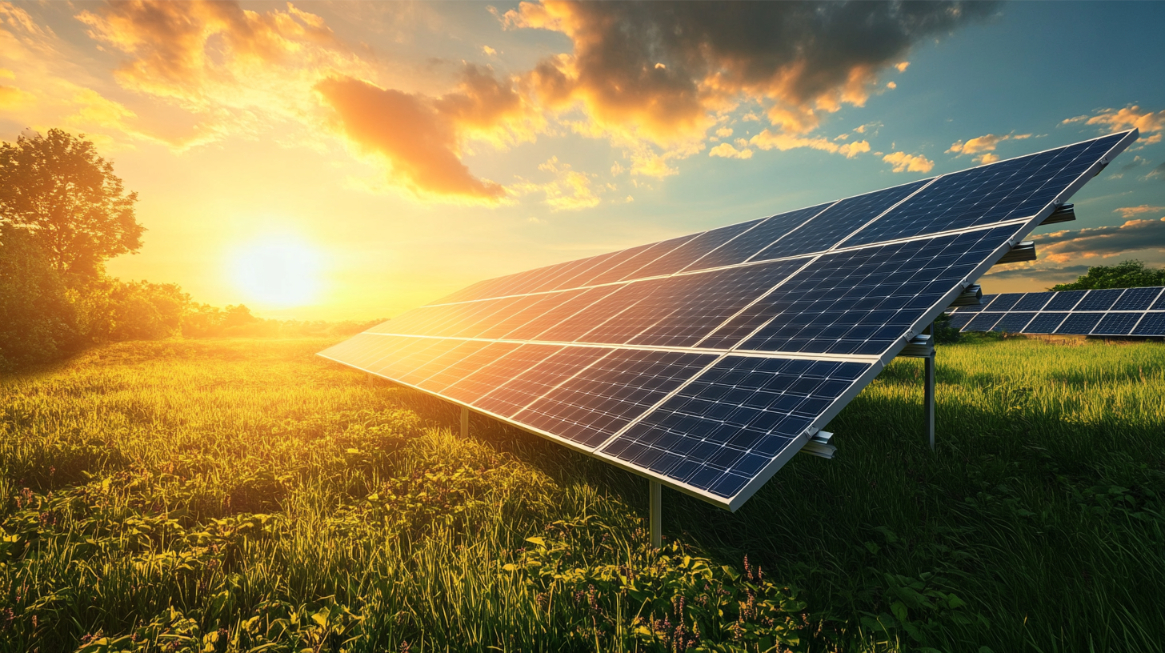
Solar energy involves capturing the sun’s rays and converting them into electricity or heat. This process typically employs photovoltaic (PV) panels, which are commonly installed on rooftops or open land areas. The collected sunlight is then transformed into usable electricity by inverters, greatly reducing or even eliminating electricity bills.
Solar Energy Policy and Incentives in Florida
In Florida, several policies support solar energy adoption. While the state does not offer direct rebates, other incentives exist:
- Net Metering: This allows solar energy users to sell excess power back to the grid, potentially lowering electricity bills.
- Sales Tax Exemption: Solar panels and related equipment are exempt from the state’s sales tax, reducing the upfront cost.
- Property Tax Exemption: Increases in home value due to solar installations are exempt from additional property taxes.
These incentives can enhance the return on investment for solar systems.
Upgrade your home’s safety with Impact Doors & Windows. Contact us!
Financial Aspects of Solar Installation
The cost implications of going solar can be daunting initially, but with long-term savings and incentives, the investment can become worthwhile. Let’s break down the financial considerations:
Initial Costs and Financing Options
The upfront cost of installing solar panels in Florida varies depending on the system size and energy needs. Typically, the cost can range from $10,000 to $30,000. However, several financing options can alleviate this burden:
- Solar Loans: Allow you to own the system outright while reducing energy costs immediately.
- Leases: Enable you to install solar panels with little to no upfront cost, though you won’t own the system.
- Power Purchase Agreements (PPAs): You pay for the electricity you generate rather than the panels themselves.
When evaluating the costs, consider your energy use, potential savings, and available financing options.
Return on Investment (ROI) and Payback Period
A crucial factor in deciding to install solar panels is the expected ROI and the payback period. Generally, homeowners can expect to see a payback period of 7 to 12 years. Factors influencing this include:
- Energy Costs: As electricity prices rise, solar panels can offer greater savings.
- System Efficiency: Higher efficiency systems produce more energy and reduce payback time.
- State Incentives: Florida’s policies like net metering significantly improve financial returns.
Analyzing these aspects will help determine the financial viability and timeframe for recovering your investment.
Environmental Impact
The environmental benefits of solar energy are significant, contributing to a reduction in greenhouse gas emissions and reliance on fossil fuels.
Reducing Carbon Footprint
Installing solar panels can greatly reduce your carbon footprint. For an average home, switching to solar can offset approximately 100,000 pounds of carbon dioxide over 20 years. Transitioning from conventional energy sources to solar power can play a vital role in combating climate change and preserving the environment.
Promoting Energy Independence
By adopting solar energy, Florida residents can move toward energy independence. Generating your electricity reduces dependency on energy companies and can contribute to a secure and stable power supply during power outages or shortages, particularly crucial during the hurricane season.
Building and Renovation Considerations
Before installing solar panels, consider your current home structure and possible changes needed to accommodate the system efficiently.
Roof Evaluation and Suitability
Not all roofs are ideal for solar panels. Key factors include:
- Roof Condition: A well-maintained roof ensures the panels have a solid foundation.
- Orientation and Angle: South-facing roofs with a 15 to 40-degree angle are optimal for maximizing solar energy absorption.
- Shading: Minimizing shading from trees or other structures can significantly impact energy production.
Greenline Remodeling can assist in assessing and preparing your roof for solar installation, ensuring it is safe and effective.
Complementary Home Improvements
In addition to solar panels, consider other energy-efficient upgrades, such as:
- Impact Doors and Windows: Reduce energy loss and enhance safety during storms.
- High-Quality Insulation: Improve the home’s thermal efficiency.
- Energy-Efficient Appliances: Further reduce energy consumption.
Greenline Remodeling specializes in these areas, boosting your home’s efficiency alongside solar installations.
Challenges and Considerations
Switching to solar energy also involves overcoming several challenges unique to Florida.
Weather and Natural Disasters
Florida’s weather can pose challenges, particularly with hurricanes. Ensuring that your solar panels are hurricane-rated and securely mounted is crucial. High-quality installations and materials can prevent damage and enhance longevity.
Local Regulations and HOA Restrictions
Understanding local ordinances and homeowners’ association (HOA) guidelines is vital for solar panel installation. Some communities may have restrictions, so verifying compliance is essential in avoiding legal issues or fines.
Market Volatility and Technology Changes
Solar technology is continually evolving. Current systems may become outdated, and market volatility can affect pricing and availability. Staying informed about advancements and assessing future needs can help navigate these challenges effectively.
The Future of Solar Energy in Florida
The potential for solar energy in Florida is immense, with technological advancements and increased adoption contributing to a sustainable energy future.
Advancements in Solar Technology
Emerging technologies such as more efficient photovoltaic cells and energy storage solutions enhance the benefits of solar energy. Improved batteries allow for better energy storage, making solar installations even more viable.
State Initiatives and Goals
Florida continues to develop strategies to increase renewable energy usage. Aligned with environmental commitments, the state is poised to expand its solar energy infrastructure, offering even more incentives and support in the future.
Is Solar Right for You?
Ultimately, deciding whether to go solar in Florida depends on various personal, financial, and environmental factors tailored to your circumstances.
Assessing Personal Energy Goals
Determine what you aim to achieve with solar energy: reducing bills, enhancing energy independence, or lessening environmental impact. Understanding your objectives will guide your decision-making.
Professional Guidance and Consultation
Seeking professional guidance, like that offered by Greenline Remodeling, can provide invaluable insights into your specific needs and considerations. Expert consultation ensures you make an informed decision, maximizing benefits while minimizing potential downsides.
In sum, while several aspects must be examined before transitioning to solar in Florida, when implemented thoughtfully, solar energy can be a highly cost-effective, sustainable solution that pays dividends both financially and environmentally over time.
Time for a new roof? Contact us for installation or replacement!