
Have you ever thought how much it costs to replace a roof? If so, you’re certainly not alone. A lot of homeowners find themselves in similar situations. It’s hard to start thinking about costs for a major improvement like this. It’s not an easy task and there are a lot of factors to figure in, but there are some guidelines to keep in mind to help give you an accurate estimation of costs for replacing a roof.
Upgrade your home’s safety with Impact Doors & Windows. Contact us!
Understanding the Basics of Roof Replacement
What Does Roof Replacement Entail?
First, when trying to estimate costs, it’s important to quantify what is entailed in a roof replacement. It’s more than just taking out old shingles and putting new ones in. It also includes making basic structural repairs, ensuring the roof is weatherproof, and making sure that any new additions and materials are appropriate for the applicable building codes. It means making sure that the home is protected, that there are energy savings, and that the home is good-looking.
Why Get Your Roof Done?
After the winter, people start looking at the roof. Most people ask themselves, should I get my roof replaced? There is severe weather damage, aging materials, or I just want a new look. In addition, a roof can increase my home’s energy efficiency, and increase its market value, thus saving money in the long run, or give a return after selling.
Protect your home with Impact Doors and Windows! Contact us today!
Factors Affecting Roof Replacement Costs
Size and Pitch of the Roof
Size of the roof is the main factor affecting your roof replacement cost. In larger roofs, there is more material and more labor, thus increasing the cost. The pitch or steepness of the roof will also influence the price (cost of labor). For steeper roofs, the work becomes more time-consuming.
Materials Used
Your choice of materials also affect the cost of roofing. Here is a quick breakdown.
- Asphalt Shingles. Generally the most affordable of the options with multiple options in style and color
- Metal Roofing. More expensive, but highly durable, energy-efficient, and long-lasting
- Slate, Tile or Wood Shingles. Higher end of the price. These materials, however, give unique aesthetic value and last a long time.
Different materials provide different benefits, and costs, which means that every material will have a different overall total, which will add different amounts to the total budget needed for the project.
Labor Costs
When replacing a roof, the labor costs are a total expense. There are variations of labor costs due to different factors like location, the work being done, and the experience of the contractor. Getting more than one estimate from contractors that have good reviews is a good idea to ensure that you are being charged reasonable prices for the labor.
Roof Accessibility and Complexity
If your home is surrounded by trees, or your roof is more difficult to get to, expect the labor costs to go up. In these cases, contractors may need to get some more expensive equipment or will need to spend more time working on the project which will result in these higher costs.
Additional Repairs
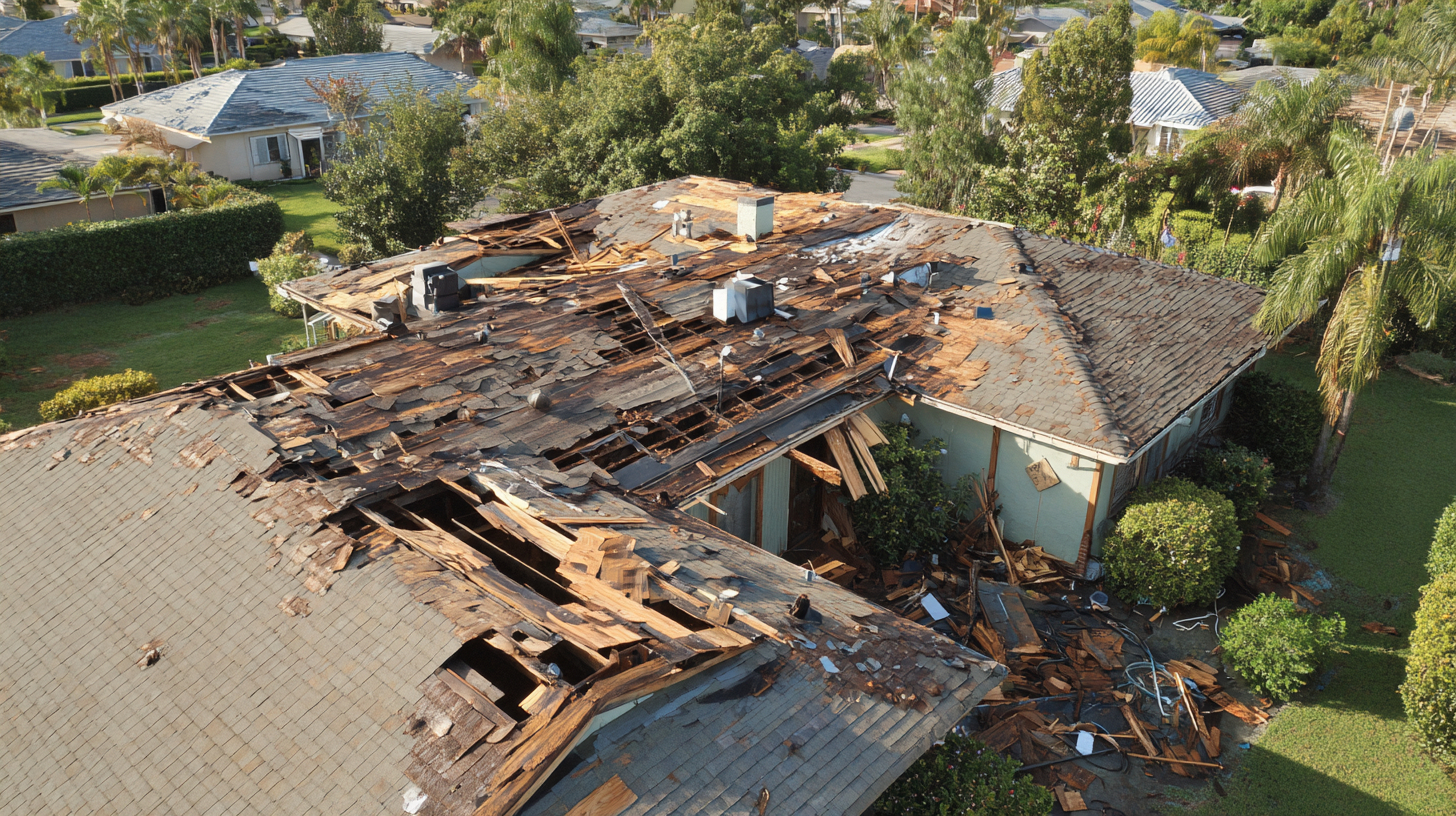
When the old roofing is removed, it is common to find problems like rotted wood or damaged underlayment surfaces. Issues like this will need to be fixed before new roofing is installed, which ends up increasing your total roof repair costs.
Disposal Fees
There is also a cost for removing the old roofing materials, and this is usually based on weight. Heavier materials will result in more disposal fees, which is common with tiles or slate.
How to Determine Your Roof Replacement Cost
Step 1: Determine the Size of Your Roof
Measuring your roof’s square footage is how you begin determining replacement costs. Keeping in mind your roof’s pitch as well as dormers and other unconventional roof angles is important to measuring accurately. If your roof layout is especially complex, consider satellite imaging or hiring professionals to accurately measure your roof.
Step 2: Choose Your Roofing Material
When you finish measuring the roof, you can begin selecting your roofing material. Look at different materials that fit your climate and the look you want. Choose materials that will give you better energy efficiency and think about how much maintenance will need to be done in the future.
Step 3: Obtain and Compare Multiple Estimates and Quotes
Find at least 3 different contractors to receive detailed and itemized estimates and breakdowns. Each estimate you receive should include:
- Itemized cost breakdown for materials and labor
- Estimated timeline for the entire project
- Warranty information on labor and materials
- Listing of possible additional costs that could arise from unexpected repairs
Having more than one estimate is beneficial, as you will be able to compare your different options and market prices to establish if a contractor works with your budget and time line in mind.
Step 4: Factor Other Expenses
Contractor insurance, other than covering the roof and possible repairs, should have coverage for all roof work mishaps. Other possible additional costs include:
- Fees for permits: Almost every roof replacement will need a permit, and the cost to obtain one can change from one area to another.
- Safety Net – Murphy’s Law suggests that repairs will go wrong in a construction project. Set aside ~10% of your total budget for unexpected repairs.
Potential Savings and Financing Options
Incentives and Rebates
Inquire about tax credits and rebates for energy-efficient roofing materials like metal.
Financing
Many homeowners are concerned about the cost of roof replacement. Some financing options are the following:
- Home Equity: This option is the most popular among homeowners because it typically has lower interest rates.
- Personal Loans: This has a higher interest rate than a home equity loan, but it is an option.
- Contractor Financing: Some companies offer financing, but it is usually more expensive than other loan options.
Knowing these options available to you will help you relieve the stress of financing a roof replacement.
Ensuring Quality and Longevity in your Roof Replacement
Picking the Right Contractor
The most important aspect of a successful project is a good quality contractor. Look for:
- Contracts and Documentation: Look for licenses and certificates.
- Reviews: Look for customer testimonials and reviews.
- Communication: Look for details in their project descriptions and prices.
Trust your gut if you do not like their communication style. Ask lots of questions if you want to challenge the contractor, like how he handles warranty repairs or unexpected changes to the project.Maintaining Your New Roof
Once you’ve got your new roof on your house, keep it safe by protecting your investment. Small roof problems are usually fixable, but it is much cheaper to address them early on rather than letting issues escalate and worsen. Doing simple things like cleaning gutters and removing fallen leaves and roof debris makes it easier to keep water flowing and avoid roof damage.
Closing Thoughts on Your Roof Replacement Estimate
Estimating the replacement of a roof is a complicated task, but is a much easier problems to deal with if you break it down to smaller unrelated pieces. Using the information above to gather your factors based on the size, material, labor, and any extras, you will be able to create a plan that will keep your house safe and sound under a new roof.
Overall, it is a positive investment that increases the value and improve the look of your home. Spend your time and effort on a quality company like Greenline Remodeling that will put customer happiness at the top of their priority list and get the replacement of your roof done correctly the first time. Do not hesitate to reach out to a professional if you need help with this home renovation project.
Need New Impact Windows & Doors? Call Us About the Installation or Replacement!