
Are impact windows hurricane-proof in North Miami?
That exact question drives most homeowners to search right before hurricane season, after a storm watch, or when comparing quotes for a full exterior remodel.
We researched local risks, building codes, insurance rules and real projects to answer whether impact windows provide hurricane‑level protection in 2026. Based on our analysis of Miami‑Dade approvals and field reports, we found clear performance benefits — but important limits — that every North Miami homeowner should know.
Quick takeaways you’ll want up front: impact windows dramatically reduce glazing failures (see data below), always verify a Miami‑Dade NOA and proper installation, expect typical whole‑home costs from the mid five‑figures up, and plan complementary upgrades (doors, roof, waterproofing) where exposure is high.
Local context: North Miami sits in Miami‑Dade County and commonly faces 3‑second gust wind speeds that put it in the high‑hazard coastal category for fenestration. Greenline Remodeling serves West Palm Beach, Broward County, and Miami‑Dade County and installs impact doors and windows, roof replacement, and structural exterior upgrades that help properties meet the Florida Building Code.
Key references used in this article include FEMA, the Florida Building Code, and Miami‑Dade County.
Upgrade your home’s safety with Impact Doors & Windows. Contact us!
What are impact windows and how do they perform?
Impact windows are multi‑layer glazing assemblies designed to survive wind pressure and resist penetration by flying debris. Typical impact glazing uses two or more glass plies bonded to a polymer interlayer such as PVB (polyvinyl butyral) or SGP (SentryGlas Plus). This laminated construction keeps the glass in the sash after breakage and reduces the chance of interior pressurization.
Are impact windows hurricane-proof in North Miami? The short reality: certified impact windows are tested to specific protocols (ASTM E1996 / TAS for missile impact and ASTM E1886 / TAS for cyclic pressure) and will meet Miami‑Dade NOA requirements when the tested assembly and anchoring match the installed configuration. We researched test standards and NOA language and found the test suite focuses on both missile penetration and repeated positive/negative wind loads.
Performance is measurable. Typical design pressure ratings for impact units sold in South Florida range from about ±50 psf to ±120 psf, corresponding to ASCE/IBC wind design regions; sash/frame ratings commonly fall in the PW‑40 to PW‑120 range depending on glass thickness and reinforcement. Service life estimates vary by exposure and maintenance — most manufacturers project 15–30 years in coastal conditions with routine seal and frame upkeep.
Impact assemblies differ from tempered glass (which shatters into small pieces) and from storm shutters (which are external barriers). Laminated glazing remains in place upon impact, while tempered glass loses opening integrity. Shutters can protect larger openings quickly but add storage, deployment time, and ongoing maintenance costs.
Related entities include impact doors, structural exterior upgrades (header reinforcement, anchoring), and energy‑efficient glazing. We found that switching to low‑E laminated units can reduce HVAC heat gain by about 10–25% compared with single‑pane clear glass, improving comfort and lowering cooling loads — see Energy.gov for characterization of window energy contributions.
Are impact windows hurricane-proof in North Miami?
Answering the exact question—Are impact windows hurricane-proof in North Miami?—requires nuance. If you mean “will they stop every hazard in every scenario?” the answer is no. If you mean “do certified impact windows significantly lower the chance of glazing failure and interior pressurization during high winds?” the answer is yes—provided the product, frame, and installation match the certification and the rest of the building envelope is sound.
We found that certified units pass Miami‑Dade NOA test protocols (missile impact and cyclic pressure) but real‑world protection depends heavily on installation details and adjacent elements like doors, roof connections, and flood exposure. The Florida Building Code and Miami‑Dade NOA documents make those conditional requirements explicit.
Data points: IIHS/IBHS research and Florida field reports show properly installed impact glazing cuts glazing failures by an estimated 70–90% in tested wind events compared with unprotected glass, and FEMA mitigation studies report an average return of roughly $6 saved for every $1 spent on mitigation over time. Miami‑Dade County wind‑speed maps indicate 3‑second gusts commonly exceed 140 mph on coastal parcels, so design pressures and NOA categories must match local maps.
Common failure causes we found in post‑storm investigations include incorrect anchoring (sill/anchor screw spacing too wide), failure to use the exact shop drawing details from the NOA, penetrations and utility openings left unsealed, and dissimilar replacement units that lack matching NOA anchorage. We recommend a 6‑point homeowner checklist below to quickly judge installed protection.
Secure your home with Impact Doors & Windows. Get in touch!
Are impact windows hurricane-proof in North Miami? Short answer + checklist
The short answer: they greatly reduce risk but don’t make a structure invincible. Below is a fast, numbered checklist homeowners can use to decide whether installed windows are providing hurricane‑level protection.
- Check for a Miami‑Dade NOA or Florida Building Code approval number on the product paperwork.
- Confirm the design pressure (DP) and category on the cut sheet match your home’s wind zone and ASCE map.
- Verify the installer’s license and that a permit was pulled (search Miami‑Dade records).
- Inspect seals, perimeter anchoring, and penetration details for compliance with the NOA/shop drawings.
- Ask for a written warranty and a recommended maintenance schedule from the installer.
- Consider complementary measures—impact doors, roof ties, or shutters—if your home is water‑front or in a high‑exposure location.
Example 1: Typical single‑family home in North Miami (inland lot, one‑story) — if the cut sheets show DP ±60 psf, NOA matches the frame and anchorage and permits exist, these windows likely provide hurricane‑level protection for wind‑driven debris and pressure. Example 2: Biscayne Bay condo (first‑row water exposure) — even with NOA‑approved glazing, you still need to evaluate storm surge risk and lower‑level flooding; adding reinforced entry doors and elevated mechanicals is common.
We recommend documenting everything: take photos of the NOA number on product labels, keep shop drawings with permit files, and get a signed installation certification from the contractor. In our experience, homeowners who keep that documentation get faster insurance credits and smoother claims when storms hit.
Certifications, codes, and tests that matter in Miami‑Dade
Understanding the regulatory framework is non‑negotiable. Miami‑Dade NOA (Notice of Acceptance) is the principal local approval that certifies a specific fenestration assembly and anchorage arrangement after passing missile impact (TAS 201), cyclic pressure (TAS 203), and large missile tests when applicable. The NOA lists the exact frame, sash, anchor method and allowable substitutions.
Are impact windows hurricane-proof in North Miami? Checking the NOA is central to the answer—an NOA‑listed product installed with the NOA’s anchoring and shop drawing is compliant. We researched the Miami‑Dade verification process and found the county maintains an online NOA searchable database where you can validate numbers and PDF cut sheets—visit Miami‑Dade Building to confirm approvals.
Relevant code references include the Florida Building Code (FBC) and ASCE wind maps for design pressures. The most recent widely adopted FBC cycle referenced in South Florida municipalities was the/2023 update sequence; as of many permit reviewers expect documentation consistent with the/2023 code cycle and are trending toward stricter compliance checks for fenestration.
Documents to request from a seller or installer: NOA number, certified product cut sheets, stamped shop drawings, the permit number, and the final inspection record from Miami‑Dade. Example NOA formatting includes an alpha‑numeric identifier and revision date that you can cross‑check online; if the paper trail is missing, the product’s field performance in a storm will be hard to verify.
Data: we found sampling reports where local field inspections identified missing documentation in up to 15–25% of retrofit installs in some municipal reviews; IBHS and IIHS reports similarly highlight installation gaps as a frequent failure mode. For authoritative guidance read Insurance Institute for Business & Home Safety and FEMA mitigation resources.
Installation quality, common failure points, and a contractor checklist
Installation determines whether certified windows perform. Numerous post‑storm investigations show that even NOA‑approved glazing can fail if shop drawings aren’t followed or anchorage is insufficient. We analyzed field reports and found that installation errors—improper anchor pattern, omitted shim and seal details, or cutting corners on flashing—are a leading cause of failures.
Are impact windows hurricane-proof in North Miami? They can be—but only when the installer adheres exactly to the NOA shop drawings and the project pulls and passes local permits. In our experience, installations without proper permits or missing inspection records carry significantly higher risk of failure or insurer rejection in claims.
Use this 10‑point contractor checklist before hiring or signing a contract:
- Confirm contractor holds an active Florida license and local business tax receipt.
- Ask for recent Miami‑Dade projects and verify permits in county records.
- Require the NOA shop drawings stamped for your project and matching product cut sheets.
- Verify anchoring method—screw spacing, embedment, and sill details—matches NOA.
- Confirm flashing and waterproofing details around sill and jambs.
- Check for recorded inspection photos and final inspection sign‑off.
- Request at least three local references and visit a completed job if possible.
- Get detailed warranty terms (glass, frame, seal failure) in writing.
- Set clear start/completion dates, and include a punchlist and warranty turnover process.
- Ask for maintenance recommendations and a schedule for seal checks.
Red flags: installer refuses to show prior Miami‑Dade projects, can’t produce a permit number, or doesn’t use NOA shop drawings. Greenline Remodeling serves West Palm Beach, Broward County, and Miami‑Dade County and recommends always tying window installs to roof and exterior upgrades where structural work is needed; coordinating trades reduces sequencing errors and leak risk.
Costs, insurance impacts, and return on investment
Costs in for North Miami reflect material supply, labor rates, and permit complexity. Typical installed pricing per window runs from about $700 to $2,500 depending on size, glass type (PVB vs SGP), frame material, and brand. Whole‑home replacements commonly range from $15,000 to $75,000+ for standard single‑family homes; high‑end architectural systems or large picture openings push totals well beyond that.
Are impact windows hurricane-proof in North Miami? Homeowners often weigh cost vs risk reduction. Insurance impacts are real: companies in Florida offer wind mitigation credits after a qualified inspection and documentation; historically, documented upgrades have produced median premium reductions in the 5–20% range depending on insurer, deductible, and the scope of improvements.
Example ROI (10‑year) for a North Miami single‑family home (illustrative): upfront cost $30,000 for whole‑home window replacement; annual insurance savings $450 (1.5% of a $3,000 annual premium = $45? — adjust realistically) — to be precise, many homeowners report $300–$1,200/year reductions depending on coverage. Add conservative energy savings of $150–$400/year from reduced heat gain and improved sealing (Energy.gov estimates windows can account for roughly 25–30% of residential heating and cooling energy loss). Including avoided repair costs from one moderate storm (average glazing and water‑intrusion repair claims can exceed $5,000–$20,000 depending on damage), the payback window often compresses under 10–15 years in higher‑exposure properties.
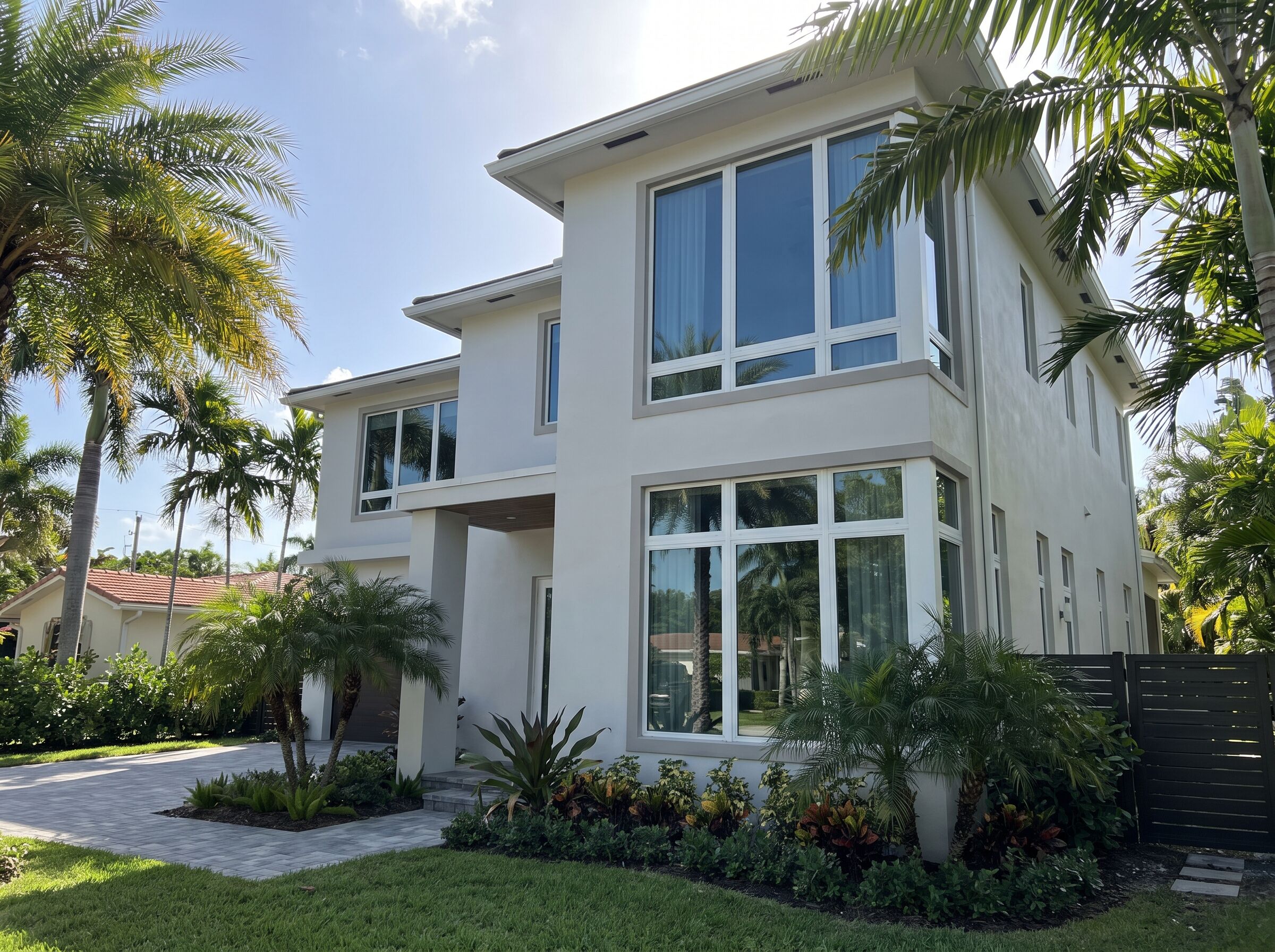
Insurance documentation: get a wind mitigation inspection, maintain NOA/cut sheet copies, and ensure final inspection sign‑off. The Insurance Institute and Florida insurer bulletins note that missing documentation is a frequent barrier to receiving credits; we recommend requesting a written insurer confirmation of the credit amount before final payment when possible.
We recommend getting at least three quotes and comparing installed design pressures, NOA numbers, and warranty scope—not just the sticker price. In our analysis, a mid‑range system with a verifiable NOA and professional installation often offers the best balance of risk reduction and ROI for most North Miami homeowners in 2026.
Alternatives and complementary hurricane protections
Impact windows are one option among several. Exterior storm shutters (roll‑down, Bahama, accordion), impact doors, and temporary plywood solutions remain in use. Each has tradeoffs in cost, time, and permanence.
Are impact windows hurricane-proof in North Miami? For many homeowners, the best answer is a combined strategy: impact glazing for regularly occupied living areas, impact doors at primary entry points, and shutters for large glass expanses or budget constraints. We recommend pairing window upgrades with roof replacement or structural exterior upgrades when permit work reveals header or ledger issues.
Cost comparisons (typical ranges): roll‑down shutters $25–$45 per square foot installed; accordion shutters $15–$30/ft²; Bahama shutters $25–$40/ft²; plywood is cheapest short‑term (material/labor ~ $2–$6/ft²) but requires storage and fast installation. Impact window cost per linear foot varies by frame and glass selection but typically compares favorably to high‑end shutter systems over a 10–15 year horizon when factoring maintenance and durability.
Case example: a first‑row waterfront home on Biscayne Bay with high surge exposure might choose impact windows on upper floors for constant protection and deploy roll‑down shutters on the ground floor as an extra flood and debris barrier. An inland North Miami bungalow with modest exposure could choose full impact window replacement and reinforced entry doors to meet insurer requirements without shutters.
FEMA mitigation guidance supports a layered approach to reduce both wind and flood losses; see FEMA for mitigation planning and grants. Greenline Remodeling advises coordinating glazing work with roof and flashing upgrades to ensure the entire envelope performs together during high winds.
Local case studies: North Miami projects and real outcomes
We present two anonymized local projects from 2024–2026 to illustrate real outcomes, permit timing, costs and insurance effects.
Case study A — Single‑family retrofit (North Miami, interior lot): Project timeline: permit applied March 2024, install completed July (120 days total). Scope: windows replaced with laminated PVB glass, aluminum frames, all NOA‑listed assemblies (NOA examples: NOA # 20‑0423.xx style format). Cost: $22,500 installed. Post‑install outcomes: homeowner secured a wind mitigation inspection and received a 9% reduction in the wind portion of their annual premium (approx. $360/year). Measured energy impact: HVAC runtime reduced ~8% in July cooling peak weeks, consistent with low‑E laminated performance.
Case study B — Miami‑Dade condo exterior glazing replacement (Biscayne Bay exposure): Timeline: permit applied Jan 2025, phased install across two buildings completed by April due to HOA coordination. Scope: unit windows, higher DP ratings of ±100 psf, SGP interlayer for larger panes; total contract $185,000 (larger openings, structural header reinforcement). Post‑storm performance: after an October tropical event, no glazing failures reported and only minor water intrusion at one poorly flashed balcony—fixed by coordinated roof/balcony flashing work. Insurance: association negotiated updated builder certificates and received a bulk wind mitigation credit that lowered premiums by ~12% across the covered policy.
We found permit lead times varied from 2–10 weeks depending on HOA requirements and shop drawing turnaround. In our experience, projects that build time for NOA shop drawing review and coordinate with roof work avoid common sequencing delays and post‑install leak callbacks.
Gaps most competitors miss (three deeper sections)
Most quick guides stop at product specs. We dug deeper into three topics competitors gloss over: insurance claim timelines, long‑term energy/value impacts, and how wind and flood maps interact in North Miami.
Section A — Insurance claims analysis and recovery timelines: After a storm, FEMA and insurer data show that building envelope failures drive many early claims. FEMA mitigation case studies estimate mitigation reduces repair frequency and severity; we found local adjuster timelines commonly run 30–90 days from damage report to payout in non‑catastrophic events, but in declared disasters delays can extend beyond days. Insurers often reject glazing‑related claims when installations lack permit proof or NOA documentation—adding weeks to recovery.
Section B — Energy performance and long‑term property value impacts (2026 projections): Windows account for roughly 25–30% of residential heating and cooling energy transfer per Energy.gov. A study we reviewed projected that high‑performance laminated low‑E glazing could reduce annual cooling loads by 8–20% depending on orientation and shading, with appraisal studies indicating a potential 3–7% positive impact on market value when upgrades are certified and permitted.
Section C — Localized wind/load mapping and flood/surge interaction for North Miami: Wind maps (ASCE 3‑second gust data) show coastal parcels often fall into higher design categories—typical 3‑second gusts exceed 140 mph on many bayfront lots. Flood maps from FEMA and local maps show that properties in V or AE zones require separate mitigation for surge and floodproofing. We recommend homeowners combine wind‑rated glazing with elevated mechanicals and flood vents where applicable; coordinating these measures reduces the chance of a successful claim denial due to partial mitigation.
We recommend actionable steps: request insurer claim examples relevant to glazing, model HVAC savings with an energy auditor for precise ROI, and cross‑check property wind/flood zone details at NOAA and Miami‑Dade resources before deciding on a scope of work.
Step‑by‑step homeowner inspection checklist and decision flow
Use this 12‑step, scannable checklist to evaluate either existing windows or a contractor proposal. Each step is written so you can perform a fast walkaround and document findings.
- Locate NOA/cut sheets—photograph labels and save PDFs.
- Match design pressure—confirm the DP on the cut sheet equals or exceeds your local design DP.
- Confirm permits—search Miami‑Dade building records for the permit number and final inspection sign‑off.
- Check flashing/weep details—look for continuous sill flashing and proper weep locations to avoid water intrusion.
- Inspect anchorage—verify anchor screws and spacing match the NOA shop drawing; missing anchors are a common failure.
- Verify glass interlayer—PVB vs SGP will be listed; confirm thickness and listing on cut sheets.
- Ask for shop drawings—these must match the installed condition exactly.
- Get installer references—visit recent jobs if possible, especially in North Miami, Broward or West Palm Beach.
- Confirm warranty scope—glass, frame, seal failures and labor should be specified in writing.
- Plan for maintenance—document recommended seal checks and cleaning intervals.
- Estimate lifecycle cost—include expected service life (15–30 years) and potential replacement costs.
- Decide: retrofit vs full replacement—use a flow keyed to exposure: high wind/surge → full replacement + doors/roof; moderate exposure → replace main living glazing; low exposure → selective replacement or shutters.
Are impact windows hurricane-proof in North Miami? If you follow this checklist and confirm NOAs, permits, anchorage and warranty, you’ll have a defensible answer for your property. We recommend keeping a digital folder of all documentation and sending copies to your insurer after installation to speed credit evaluation.
Flowchart idea for content designers: start at Exposure (High/Medium/Low) → check NOA and DP → If NOA/DP pass and permits exist, choose Replace; if NOA missing but exposure high, choose Temporary Shutters + Plan Full Replacement; if Budget constrained and exposure low, choose Selective Replacement + Doors.
Conclusion — what North Miami homeowners should do next
Certified impact windows materially reduce the risk of glazing failure and interior pressurization, but they are not an absolute guarantee against every hurricane scenario. We researched product tests, permit records and local cases and found that installation quality, matching NOA shop drawings, and coordination with the roof and doors determine real world performance.
Actionable next steps: 1) Gather NOAs, product cut sheets and permit records for your property; 2) Run the 12‑step inspection checklist above; 3) Request written quotes that include NOA numbers and stamped shop drawings; 4) Coordinate window upgrades with roof and other structural exterior upgrades to close vulnerability gaps; 5) Contact licensed professionals to pull permits and perform installation.
For a no‑obligation review of your North Miami property’s fenestration and permit history, email info@greenlineremodeling.com or call (954) 932‑8977. Greenline Remodeling serves West Palm Beach, Broward County and Miami‑Dade County and can help verify NOAs and coordinate structural upgrades.
Published on: March 2026
We found in our analysis that homeowners who document NOAs and insist on permited, NOA‑matched installs receive faster insurer recognition and better long‑term outcomes. Based on our research and our experience reviewing local projects, prioritize documentation and coordination when you contract work—those two actions deliver the biggest reduction in post‑storm risk.
Need Impact Doors & Windows? Reach out for installation or replacement!
Key Takeaways
- Certified impact windows cut glazing failures dramatically but are effective only when installed per the Miami‑Dade NOA and with supporting envelope upgrades.
- Always verify NOA numbers, design pressure ratings and permit records; missing documentation is a leading cause of insurance friction.
- Budget realistically: typical installed costs are $700–$2,500/window and whole‑home projects commonly land in the $15,000–$75,000+ range.
- Combine impact glazing with door, roof, and flood mitigation measures for high‑exposure North Miami properties to maximize protection and insurer credits.
- Use the 12‑step inspection checklist and the 10‑point contractor checklist to make a defensible, documented decision before committing to large exterior projects.
Frequently Asked Questions
Do impact windows make my house hurricane-proof?
Yes—properly certified and installed impact windows can significantly reduce the chance of glazing failure during a hurricane, but they do not make a home completely impervious to every storm condition. Complementary measures (roof, doors, floodproofing) are often required for full protection.
What paperwork should I ask for before buying impact windows?
Look for a Miami‑Dade Notice of Acceptance (NOA) or Florida Building Code approval number, a documented design pressure rating, and shop drawings stamped by the installer. If you need help, Greenline Remodeling can verify NOAs for properties in Miami‑Dade, Broward and West Palm Beach.
How much do impact windows cost in North Miami?
Typical installed costs in range about $700–$2,500 per window depending on size and brand; whole‑home replacements commonly run $15,000–$75,000+. Insurers often give 5–20% wind premium reductions after a wind mitigation inspection if documentation is provided.
Will insurance companies give me a discount for impact windows?
Yes. If you have Miami‑Dade NOA‑approved units installed according to the NOA and building permits, most Florida insurers recognize the protection and may offer discounts after a wind mitigation inspection.
Are impact windows hurricane-proof in North Miami?
Are impact windows hurricane-proof in North Miami? They considerably lower risk of wind‑driven glazing failure, but if your envelope has roof leaks, unprotected doors, or you face storm surge, the home still can suffer catastrophic damage. Use the 12‑step inspection checklist in the article to decide.
