
Have you ever needed a roof fixed right away after a storm and wondered what steps you should take in Cooper City?
Upgrade your home’s safety with Impact Doors & Windows. Contact us!
Are Emergency Roof Repairs Available In Cooper City?
Yes — emergency roof repairs are available in Cooper City, but how quickly you can get help and what that help looks like depends on several factors. You’ll find emergency response from licensed roofing contractors, temporary patching or tarping services, and local government guidance. In 2026, those services are increasingly shaped by hurricane-resilient standards, insurance practices, and energy-efficiency considerations that you should know before making decisions.
What counts as an emergency roof repair?
An emergency repair addresses conditions that threaten life safety, allow significant water intrusion, or cause rapid property damage. You should consider roof issues an emergency when they create interior leaks damaging electrical systems, structural members, or when large sections of roofing material blow off during storms.
If you’re unsure whether the issue is an emergency, prioritize actions that reduce immediate risk: get people out of danger, protect electrical systems, and document the damage for insurance.
Secure your home with Impact Doors & Windows. Get in touch!
Who responds to emergency roof problems in Cooper City?
There are several responders and resources you can contact when you need Roof emergency help in Cooper City:
- Licensed roofing contractors providing emergency patches and temporary weatherproofing.
- Roofing teams that coordinate with insurance adjusters to document damage.
- Local building departments that issue guidance on emergency work and required permits.
- Disaster relief agencies and FEMA guidance during major events.
In Broward County and Cooper City, licensed contractors and county inspectors are the primary local contacts for safe and compliant emergency repairs.
Local contractor availability and response times
Availability depends on demand (especially after storms), contractor staffing, and the severity of the event. You can usually get an initial emergency tarp or temporary fix within 24–72 hours under normal conditions, but that window can lengthen after widespread hurricane damage.
When you contact a contractor, ask about response time, whether they provide emergency tarping only or temporary plus permanent repair options, and how they coordinate with insurance.
Immediate actions you should take after roof damage
When your roof is damaged, your first actions will influence safety, long-term costs, and insurance outcomes. Use this short checklist to guide you through the first hours:
- Ensure safety: get people and pets away from leaking areas and unstable roofs.
- Shut off electricity in affected zones if water is present near wiring or outlets.
- Photograph and video the damage from a safe location for insurance documentation.
- Apply temporary waterproofing if it’s safe — a tarp installed by professionals reduces interior damage and is usually required by insurers to show mitigation efforts.
- Contact your insurance company to report the claim and ask about immediate mitigation requirements.
- Call a licensed roofing contractor for an emergency assessment and written scope of temporary and permanent work.
If the damage is extensive or structural, coordinate with the contractor and local building officials before conducting repairs that might require permits.
How to document damage effectively
Documenting damage helps both insurance claims and contractor estimates. Take photos and videos from multiple angles showing:
- Shingles or tiles missing
- Holes, punctures, or obvious structural compromise
- Interior leaks, water stains, or collapsed ceilings
- Any nearby property or landscaping damage caused by roofing debris
Keep originals and timestamps; if possible, store copies in the cloud.
Temporary versus permanent repairs: what you should expect
Temporary repairs stabilize your home and prevent further water intrusion. Permanent repairs restore the roof to code and manufacturer standards. Understand the difference so you can discuss realistic timelines with your contractor.
| Repair type | Purpose | Typical duration | What you should expect |
|---|---|---|---|
| Temporary (tarping/patching) | Prevent immediate water entry | Hours to days | Quick fix, not code-compliant, meant to limit damage while permit/insurance work proceeds |
| Permanent (replacement/repair) | Restore full function and code compliance | Days to weeks | Full repairs or replacement with permits, inspections, and manufacturer warranties |
Temporary measures are critical after storms to reduce losses. You should treat temporary work as a stopgap until permanent repairs can be scheduled, permitted, and inspected.
How to choose a contractor for emergency roof repairs
When selecting a contractor in Cooper City, you should verify credentials, compare scopes, and confirm safety practices.
Key checkpoints when evaluating contractors:
- Valid Florida roofing license and local business registration.
- Proof of liability and workers’ compensation insurance.
- Local references and recent project examples, especially for storm-related work.
- Clear written estimate that separates temporary mitigation from permanent repairs.
- Understanding of the Florida Building Code and hurricane protection standards.
- Willingness to coordinate with your insurer and adjusters.
Be cautious of high-pressure tactics, unmarked trucks, or contractors who demand full payment before any work. You should get a written agreement detailing scope, schedule, payment terms, and required permits.
Questions to ask a contractor during an emergency call
- Are you licensed in Florida and registered in Broward County?
- Do you carry general liability and workers’ comp? Can you provide certificates?
- What emergency measures do you recommend right now?
- Will you provide a written estimate and separate temporary and permanent scopes?
- How will you handle permits and final inspections?
- Do you use subcontractors? If so, which ones and are they insured?
These questions help you assess reliability and set expectations for both short- and long-term work.
Permits and inspections: what you need to know in Cooper City
Many roof repairs and replacements require permits and inspections under the Florida Building Code and local ordinances. Even after an emergency repair, you may need to apply for retroactive permits for permanent work. Cooper City and Broward County have permitting portals and inspection processes you and your contractor should use to ensure compliance.
You should insist that the permanent repair or replacement follows code requirements for wind uplift, fastening, and flashing. Documentation of permitted work can protect resale value and help with insurance claims.
When are permits required?
Permits are generally required for:
- Full roof replacements
- Structural repairs to roof decking, trusses, or rafters
- Significant alterations to roofline or load-bearing components
- Installation of hurricane straps, new underlayment, or modified ventilation that affects building safety
Minor repairs like replacing a few shingles or flashing in confined areas may not require a permit, but you should confirm with your contractor and local building department.
Insurance considerations and claims during emergencies
Insurance plays a major role in emergency roof repairs. You should be proactive with your insurer and know what your policy covers, including mitigation obligations.
Key insurance-related actions:
- Report the loss promptly per your policy terms.
- Keep records of all communications, estimates, and invoices.
- Don’t sign away rights or accept an evaluation from a contractor who claims to be “preferred” by your insurer — you can consult independent roofers and public adjusters.
- Complete required mitigation to prevent further damage, since insurers may deny or reduce claims for neglect.
- Understand your policy’s deductible, limits for temporary repairs, and whether depreciation applies to materials.
Public adjusters are available if you think a claim was undervalued, but they typically work for a fee or percentage of the recovery, so weigh your options.
Common pitfalls to avoid with insurance after storm damage
- Hiring a contractor who promises to handle your claim but won’t provide written scopes or permits.
- Allowing an unlicensed person to perform work; this can void coverage or cause problems with future claims.
- Failing to document damage before temporary repairs — insurers often require proof of initial damage.
- Accepting a low settlement without understanding repair costs and code requirements.
You should keep a clear chain of documentation to support any claim.
Florida-specific standards that affect emergency roof repairs
Florida’s Building Code and hurricane protection standards have strict requirements focused on high-wind performance and water intrusion prevention. In 2026, these standards continue to evolve with better materials and fastening methods.
You should expect contractors to follow these practices:
- Use of code-approved roofing systems and attachments for wind uplift resistance.
- Proper flashing around penetrations, eaves, and valleys.
- Appropriate underlayment and ventilation consistent with current code.
- Record of product approvals and manufacturer installation instructions.
Compliant work not only protects you from repeat damage but also helps maintain property insurability and resale value.
Hurricane straps and impact considerations
After major storms, strengthening measures like hurricane straps and clip systems are commonly recommended. You should evaluate the cost-benefit of upgrading connections during permanent repairs, especially if you live in high-wind zones or have an older roof assembly.
Impact-resistant materials for roof edges and other components may be part of a long-term resiliency plan but will need to be weighed against your budget and insurance incentives.
Costs and common price drivers for emergency roof repairs
Costs vary widely depending on the damage extent, material choices, labor costs, permit fees, and how soon work is needed. Because emergency demand spikes after storms, you might see higher short-term labor surcharges.
Factors that influence cost:
- Scope: temporary tarp vs. full replacement
- Roof complexity: roof pitch, multiple transitions, penetrations
- Materials: asphalt shingles vs. tile vs. metal
- Accessibility and required equipment (lifts, scaffolding)
- Permits, inspections, and engineering if structural repairs are needed
Ask contractors for line-item estimates so you can compare quotes and understand where costs can be controlled.
Temporary fixes you can expect and why they matter
When you contact a contractor for emergency roof work, they’ll typically offer temporary measures such as:
- Tarping over open areas using tarps secured with batten boards or fasteners designed for short-term weather resistance.
- Localized patching of underlayment or flashing to slow water entry.
- Removing loose debris and securing potentially hazardous materials to prevent further damage or injury.
These measures are intended to protect your home from immediate harm. You should treat them as temporary and schedule permanent repairs promptly.
Timeline of an emergency repair project
A general timeline when you have roof emergency damage:
- Immediate (0–24 hours): Ensure safety, call emergency services if needed, document damage, and contact insurer.
- Short term (24–72 hours): Contractor performs temporary tarping/patching and provides an emergency estimate; you file an insurance claim.
- Assessment (3–7 days): Contractor and/or adjuster inspect, create scope for permanent repair, identify required permits and expect timeline.
- Permitting and scheduling (1–3 weeks): Contractor submits permit applications and schedules full repair amid local demand.
- Permanent repair (days to weeks): Final repairs or replacement completed; inspections and code compliance checks occur.
- Closeout: Final invoice, permits closed, and warranty/maintenance guidance provided.
This timeline can expand significantly after major storms when contractor demand spikes.
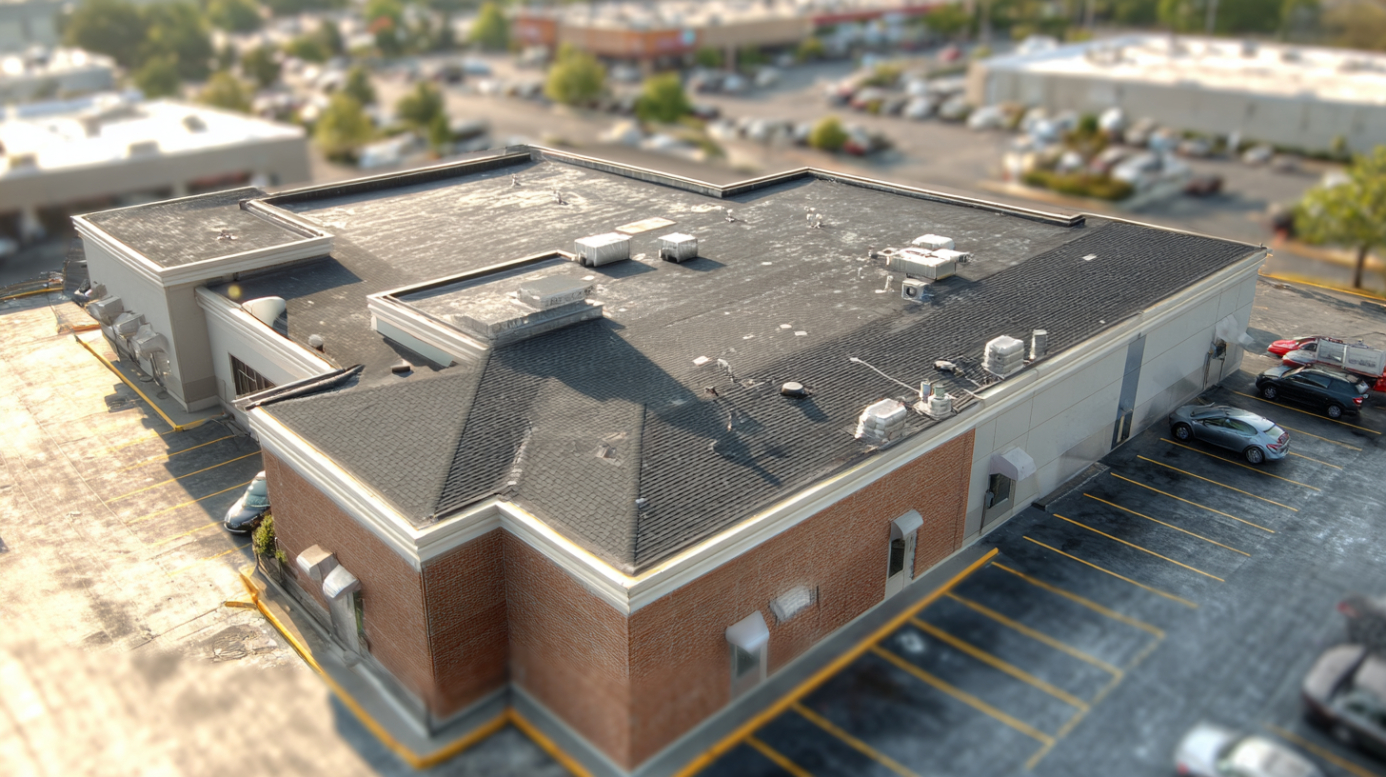
How emergency roof repairs intersect with energy efficiency and resiliency in 2026
In 2026, you should consider how emergency repairs can be an opportunity to improve energy performance and resiliency. While emergency work often focuses on immediacy, your permanent solution can incorporate:
- Improved insulation and ventilation to reduce energy costs.
- Cool roof materials or reflective membranes to lower heat gain.
- Energy-efficient underlayments that reduce thermal transfer and add moisture protection.
- Structural improvements that support future upgrades, such as solar installations.
These upgrades may influence insurance premiums or qualify you for incentives, so request estimates that itemize energy-related improvements as critical considerations.
Trends influencing emergency roofing decisions
- Increasing frequency of severe storms strengthens the case for wind-resistant assemblies and impact-rated materials.
- Greater insurer scrutiny on maintenance and mitigation prompts better documentation and code-compliant repairs.
- Advances in roofing materials that combine durability and energy efficiency are becoming more cost competitive.
- Local building codes continue to tighten for rooftop connections and materials performance.
When planning permanent repairs after an emergency, you should balance immediate needs, long-term resilience, and potential energy benefits.
Safety and liability — what you need to know
You should never perform rooftop emergency work unless you are trained and properly equipped. Falls, improper repairs, and using unlicensed contractors can create liability and void insurance coverage.
Ensure your contractor:
- Uses safety harnesses and fall protection for crew members.
- Has current insurance and licenses.
- Provides a written contract and clearly delineates scope.
If someone performs work without permits and an inspector later requires remediation, you may be responsible for additional costs.
Preventative steps you can take to reduce emergency risk
Proactive maintenance reduces the likelihood and impact of emergency roof repairs. Consider these routine actions:
- Regular roof inspections (annually and after big storms).
- Replace worn flashing and seal roof penetrations.
- Clear gutters and downspouts to prevent water backup.
- Trim overhanging tree limbs that can damage roofing during wind events.
- Maintain attic ventilation and insulation to prevent moisture buildup and extend roof life.
Your investment in maintenance can lower long-term repair costs and reduce the chance of emergency situations.
Typical documentation and permits you should keep after repair
Maintain a folder with:
- Initial damage photos and videos
- Written estimates (temporary and permanent)
- Contractor license and insurance certificates
- Permits, inspection reports, and final approval
- Warranties and manufacturer documentation
- Insurance claim numbers and correspondence
This documentation supports future claims, resale disclosures, and maintenance planning.
How Cooper City and Broward County coordinate after major storms
During major storms, local governments coordinate with county offices, emergency management, and FEMA for larger-scale recovery. You should expect:
- Local advisories on safety and permissible emergency work
- Guidance on debris removal and temporary permitting
- Information on disaster assistance when federal resources are activated
Follow official sources for accurate, current guidance and use licensed contractors for restoration work.
Sample emergency contact table for Cooper City-area roof events
| Who to contact | When to call | Why it’s helpful |
|---|---|---|
| Licensed roofing contractor | Immediately after ensuring safety | For emergency tarping and assessment |
| Your insurance company | As soon as possible | To start claim and get mitigation requirements |
| Cooper City / Broward County Building Dept. | If structural concerns or permits needed | Guidance on permits and inspections |
| Emergency services (911) | If safety threat to life or severe structural collapse | Immediate rescue/assistance |
| FEMA disaster assistance (if declared) | After major events with federal declaration | Potential financial support and guidance |
Keep these numbers handy, and store them in a secure place you can access even if power is out.
Choosing between repairing and replacing after emergency work
Decisions to repair or replace should be based on:
- Extent of structural damage
- Age of existing roofing materials
- Cost comparison and remaining useful life
- Insurance settlement and depreciation considerations
- Code compliance and upgrade value (wind resistance, energy efficiency)
Your contractor should provide a clear analysis so you can make an informed decision rather than reacting under pressure.
Working with Greenline Remodeling as a local context (critical considerations)
Greenline Remodeling operates across Broward, Miami-Dade, and West Palm Beach and focuses on remodeling and exterior improvements including roof replacement, impact doors and windows, and structural upgrades. When you evaluate contractors, use the same critical considerations that matter in 2026: code compliance, hurricane protection standards, and energy-performance improvements. If you contact any local firm, verify licensing, insurance, and documentation. You can reach Greenline Remodeling at info@greenlineremodeling.com or (954) 932-8977 for general inquiries; always confirm credentials and get written estimates that separate emergency mitigation from permanent home improvements.
Cost-control tips during emergencies
- Get multiple written estimates; request line-item breakdowns.
- Prioritize temporary mitigation to prevent escalation of interior damage.
- Ask contractors whether material upgrades are optional and which are required by code.
- Check if insurer has preferred vendors but remember you choose the contractor.
- Keep receipts and schedules to support insurance claims.
These strategies help you avoid costly mistakes when you’re under pressure.
Post-repair maintenance and warranties
After permanent repairs:
- Confirm what warranties apply (workmanship vs. manufacturer).
- Keep maintenance schedule recommended by contractor.
- Inventory and store all warranty documents and installation guides.
Warranties differ by provider; you should understand limitations and what voids coverage (e.g., lack of maintenance or unpermitted alterations).
Final checklist: what you should do if you need emergency roof repairs in Cooper City
- Ensure immediate safety of residents and pets.
- Document damage thoroughly and securely store photos/videos.
- Call your insurer to report the claim and ask about mitigation responsibilities.
- Hire a licensed, insured contractor; verify credentials and request separate scopes for temporary vs permanent work.
- Obtain written estimates and itemized scopes, plus a timeline for permanent repairs.
- Ensure permits and inspections are handled for permanent work.
- Save all documentation, permits, receipts, and warranties.
- Consider resiliency and energy upgrades where practical during permanent repair.
Following these steps reduces your risks and positions you to make informed decisions under stress.
Sources
- Federal Emergency Management Agency (FEMA) — roofing and disaster recovery guidance
- Florida Building Code — current code requirements for roofs and wind resistance
- Energy.gov — guidance on roofing and energy efficiency for homes
- Insurance Institute for Business & Home Safety (IBHS) — roof and wind-resilience research
- Florida Office of Insurance Regulation — policy and claims guidance
- Broward County Building & Permitting Division and Cooper City municipal resources
This article is for informational purposes only and does not constitute professional, legal, or construction advice. Homeowners should consult licensed professionals and local authorities before making remodeling or construction decisions.
Published on: March 2026
Contact (general office context):
- Email: info@greenlineremodeling.com
- Phone: (954) 932-8977
If you want, you can tell me more about the damage you’re facing (photos, age of roof, insurance status), and I’ll help you prioritize next steps and questions to ask potential contractors.
Need Impact Doors & Windows? Reach out for installation or replacement!