
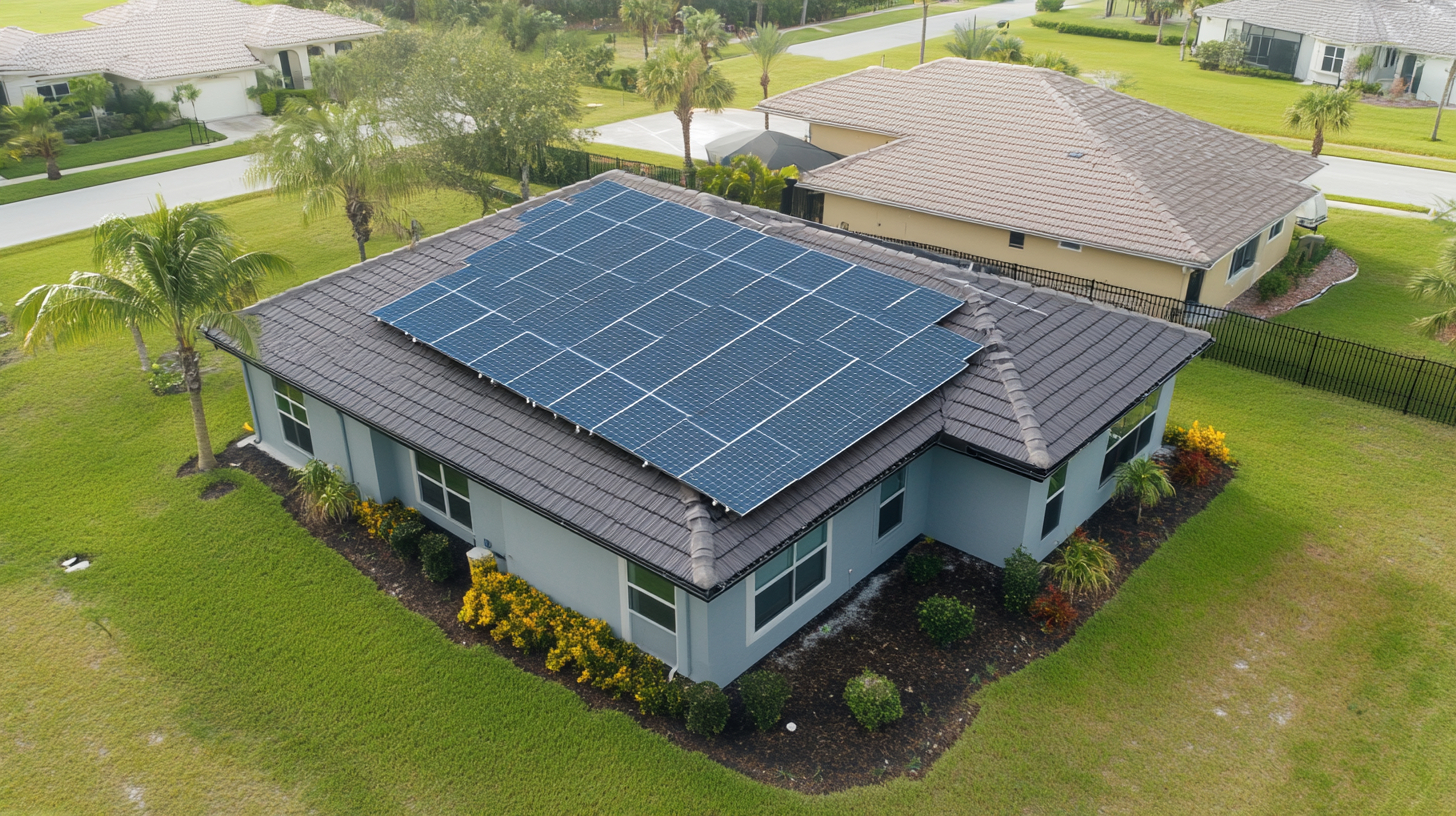
Have you ever wondered if Florida will actually pay you to install solar panels on your property? It’s a question that many homeowners ponder when considering making the switch to solar energy. The sunshine state is renowned for its ample sunlight, so it seems like a natural fit for solar power, but what’s the financial landscape?
Upgrade your home’s safety with Impact Doors & Windows. Contact us!
Understanding Florida’s Solar Incentives
Let’s dive right in to uncover what Florida offers in terms of incentives and financial benefits for those considering solar panel installation. It’s easy to get caught up in the technical aspects and the upfront costs of solar panels, but understanding potential financial benefits can make the decision much clearer.
The State of Solar Energy in Florida
First and foremost, Florida is one of the leading states in the U.S. for solar energy production. Yet, it may surprise you to learn that it doesn’t offer as many direct financial incentives at the state level as you might expect. Instead, the incentives often come from federal programs, utility companies, and sometimes local government programs.
Federal Tax Incentives
While Florida itself doesn’t offer a state-funded solar rebate, you can still reap substantial benefits through federal programs. The federal Investment Tax Credit (ITC), or the solar tax credit as it is commonly known, currently allows you to deduct up to a significant percentage of the cost of installing a solar energy system from your federal taxes. This credit applies to both residential and commercial systems and has been a major financial driver for those adopting solar energy.
Net Metering
Net metering is another key aspect of solar incentives in Florida. How does this work, you ask? Well, net metering allows you to sell excess electricity generated by your solar panels back to the grid. This is particularly advantageous in a state like Florida where sunshine is abundant. Essentially, this means your electric meter can run backward, saving you money on your utility bill and making your solar investment even more rewarding.
Property Assessed Clean Energy (PACE) Program
Florida participates in the Property Assessed Clean Energy (PACE) program, a financing option that allows homeowners to fund solar energy projects and pay them back through property taxes. This can be particularly useful as it often requires no money down, making solar panel installation more accessible to a wider array of homeowners.
Secure your home with Impact Doors & Windows. Get in touch!
Local Utility Company Incentives
Utility companies in Florida sometimes offer their own incentives. It’s a smart move to check with the utility provider in your area to understand what specific benefits they may offer for solar panel installation. These can range from additional rebates to performance-based incentives that reward you for your solar array’s production over time.
Utility Rebate Programs
Some Florida utilities may provide cash rebates as a way to reduce the upfront cost of solar panel installations. While not as common as other incentive programs, they do exist and can offer a significant boost to your solar project budget.
Performance-Based Incentives
These incentives, while less common, reward you for each kilowatt-hour (kWh) of solar energy your system produces. Participating in a program like this could mean an extra stream of income tied directly to your solar investment’s output. Imagine getting paid for the sunlight hitting your roof!
Financial Benefits Beyond Incentives
When considering whether Florida will “pay” you to install solar panels, it’s essential to look at more than just direct incentives. The financial benefits can extend beyond the initial installation, offering savings that accumulate over time.
Energy Cost Savings
One of the most immediate benefits of installing solar panels is the reduction in your monthly electricity bills. The extent of your savings will depend on the size of your system and your household energy use, but over time, these savings can be substantial.
Increased Property Value
Did you know that homes with solar energy systems have been shown to sell for more than comparable homes without? By increasing your property’s value, solar panels can offer a return on investment when it comes time to sell. This is especially true in a state like Florida, where solar panels are not only valued for their energy savings but also for their positive environmental impact.
Protection Against Rising Utility Costs
With solar power, you’re less at the mercy of fluctuating utility rates. Utility prices historically rise over time, but your solar installation locks in energy costs, shielding you from potential hikes and providing greater financial predictability.
Environmental Impact
Beyond the financial considerations, there’s a benefit that extends beyond your back pocket: helping the environment. Installing solar panels reduces reliance on fossil fuels and decreases greenhouse gas emissions. It’s an investment that contributes positively to the planet, which can be incredibly gratifying.
Reduction of Carbon Footprint
Solar panels significantly reduce the carbon footprint associated with your home’s energy consumption. The very act of generating clean energy across a sunny state like Florida leads to less reliance on polluting resources.
Educational and Community Benefits
Sometimes, making the switch to solar can inspire others in your community to consider sustainable energy options, creating a ripple effect that can amplify positive environmental impacts. Plus, solar installations often spark fascinating educational opportunities for schools, community groups, and local organizations interested in learning more about clean energy technologies.
Myths and Misconceptions About Solar Incentives in Florida
Let’s take a moment to address some common myths surrounding solar incentives in Florida.
Myth: Solar Panels Don’t Work in Cloudy Weather
Truth be told, solar panels are incredibly efficient and can generate power on cloudy days. They’re most effective in direct sunlight, sure, but they’ll still be producing energy even when the sky is overcast. This is particularly relevant in Florida, where sunshine is plentiful but not always present year-round.
Myth: Solar Energy Systems Are Too Expensive
The perception that solar panels are too costly upfront often deters homeowners. However, with financing options, tax credits, and reduced utility bills, the long-term financial benefits can outweigh the initial investment. Consider it this way: Think not just about cost, but about value.
Myth: Lack of State Incentives Makes It Unviable
It’s easy to assume that without robust state-backed incentives, going solar wouldn’t make financial sense. The reality is that federal incentives, local utility rebates, and increasing property values combine to create a lucrative financial proposition.
Making the Decision: Steps to Go Solar
If you’re contemplating whether to make the solar switch, what should your next steps be?
Research and Comparison
Start by doing thorough research. Compare different solar panel products, companies, and incentive programs to determine what best fits your needs.
Reach Out to Local Experts
Consider contacting companies like Greenline Remodeling, who specialize in energy-efficient home improvements, including solar panel installation. They can provide expert guidance tailored to your property’s unique requirements.
Get Multiple Quotes
Gather quotes from several solar companies to compare prices and offerings. This step ensures you’re getting the best possible value and can identify any financial incentives tied to specific providers.
Assess Your Roof
Before installation, have your roof evaluated by a professional. A sturdy and sunlight-accessible roof is essential for a successful solar panel system.
The Future of Solar Energy in Florida
What’s the future hold for solar energy incentives in Florida? While exact predictions can be tricky, trends indicate a growing shift towards renewable energy sources. Technological advancements are likely to lower costs further, increase efficiency, and expand accessibility.
Governmental Support and Policy Changes
Future policy changes, at both the state and federal levels, might offer more direct incentives. As societal priorities shift towards sustainability, government action could enhance financial rewards for solar panel adopters.
Technological Innovations
As technology evolves, solar energy systems will become more efficient and affordable. Emerging innovations like solar roofs and improved battery storage solutions suggest exciting potentials for the solar industry.
Community and Grassroots Initiatives
Community-supported solar programs and grassroots efforts may play an increased role in incentivizing solar energy. Shared solar projects, where community members collectively invest in a solar power system, could provide access to those unable to install panels individually.
Conclusion
So, will Florida pay you to install solar panels? The state may not offer direct payments, but the financial incentives through tax credits, net metering, and utility programs, along with the long-term savings on electricity, make solar panel installation a financially sensible option. Plus, the environmental benefits and increased property value make it a rewarding investment for many homeowners.
By understanding the various financial incentives and benefits, you can make an informed decision about joining Florida’s solar movement. Equipping yourself with knowledge gives you the power to not just save money, but to contribute positively to a greener world. If you’re intrigued or have additional questions, reaching out to local service providers like Greenline Remodeling could be your next best step. Their expertise ensures that your transition to solar is smooth, efficient, and rewarding.
Ultimately, the bright, sunny future of solar energy in Florida looks promising. Embrace it, and let your decision to go solar illuminate the way forward.
Need Impact Doors & Windows? Reach out for installation or replacement!