
Have you ever wondered what it might cost to replace a roof in Florida? If you are a homeowner in the Sunshine State, this is an important question, given the unique climate challenges and regulations that impact roofing in Florida. Whether you are dealing with an old, deteriorating roof or preparing for the next hurricane season, understanding these costs can help you make informed, budget-conscious decisions.
Need Impact Doors & Windows? Reach out for installation or replacement!
Factors Affecting Roof Replacement Costs
In order to estimate the cost of replacing a roof in Florida, it’s crucial to understand the various factors that can influence the price. These factors include the type of materials, the size of the roof, labor charges, and additional expenses.
Material Types
Material type is one of the most significant determinants. Different materials come with varying costs, and each has its own longevity, appearance, and durability characteristics.
- Asphalt Shingles
- Cost: $5,000 – $10,000
- Lifespan: 15-20 years
- Advantages: Affordable, easy to install, and widely available.
- Metal Roofing
- Cost: $10,000 – $20,000
- Lifespan: 40-70 years
- Advantages: Very durable, resistant to wind, and energy-efficient.
- Tile Roofing
- Cost: $15,000 – $30,000
- Lifespan: 50-100 years
- Advantages: Extremely durable and aesthetically pleasing.
- Slate Roofing
- Cost: $20,000 – $40,000
- Lifespan: 75-200 years
- Advantages: Highly durable and offers a unique, upscale look.
Roof Size
The size of your roof is another crucial factor. Roofers price their services per square foot, so a larger roof translates to higher costs. Make sure to measure the square footage accurately to get a more precise estimate.
Labor Charges
Labor costs can vary depending on the complexity of the job and the skill level required. Florida labor charges can range between $50 to $150 per hour, depending on the roofing company and location. Always get multiple quotes to ensure you are receiving a fair rate.
Additional Costs
Don’t overlook supplementary expenses such as permits, disposal fees, and potential repairs to underlying structures. These can easily add several thousand dollars to your roofing project.
| Material Type | Cost Range | Lifespan | Advantages |
|---|---|---|---|
| Asphalt Shingles | $5,000 – $10,000 | 15-20 years | Affordable, easy to install, widely available |
| Metal Roofing | $10,000 – $20,000 | 40-70 years | Very durable, wind-resistant, energy-efficient |
| Tile Roofing | $15,000 – $30,000 | 50-100 years | Extremely durable, aesthetically pleasing |
| Slate Roofing | $20,000 – $40,000 | 75-200 years | Highly durable, upscale appearance |
Boost your home’s defense with our Roof services. Call now!
The Unique Climate Challenges in Florida
Florida’s unique climate poses distinct challenges when it comes to roofing. With frequent storms, high humidity, and intense heat, your roofing material must be robust and resilient.
Hurricanes and Wind
Florida experiences a high frequency of hurricanes and tropical storms. Therefore, your roof must be capable of withstanding high winds and torrential rain. Metal roofing and tile roofing are strong contenders in this regard due to their superior wind resistance.
Heat and UV Radiation
The Sunshine State lives up to its name, with high temperatures and significant UV radiation year-round. Roof materials like metal can reflect sunlight, thereby improving your home’s energy efficiency. Asphalt shingles, on the other hand, may absorb heat, increasing cooling costs.
Humidity and Mold
Florida’s high humidity levels can contribute to mold and mildew growth on the roof. This is another reason why choosing durable and mold-resistant materials is essential.
Regulatory Considerations in Florida
Florida has stringent building codes aimed at ensuring that roofs can withstand the state’s extreme weather conditions.
Building Codes
The Florida Building Code sets rigorous standards for roofing materials and installation techniques. Ensure your roofing contractor is well-versed in these codes to avoid penalties and ensure safety.
Permits
Permits are generally required for roof replacements in Florida. The cost of these permits can vary but generally falls between $150 to $500.
Inspections
Initial and final inspections are typically mandated to confirm that the new roof meets building codes and safety standards. Ensure these are factored into your scheduling and budget.
How to Choose a Roofing Contractor
Selecting the right contractor is vital for your roofing project. A well-chosen contractor will be familiar with local codes and conditions, ensuring a smooth and efficient process.
Credentials
Make sure your contractor is licensed and insured. Verify their credentials through your local licensing board or the Better Business Bureau.
References and Reviews
Request references and check online reviews to gauge customer satisfaction and the quality of the contractor’s work.
Written Estimates
Obtain written estimates from multiple contractors to compare costs and services. Carefully scrutinize each estimate to understand what is included and what may be extra.
Warranty and After-Sales Service
Ask about the warranties offered on both labor and materials. A good warranty can save you significant amounts in future repairs.
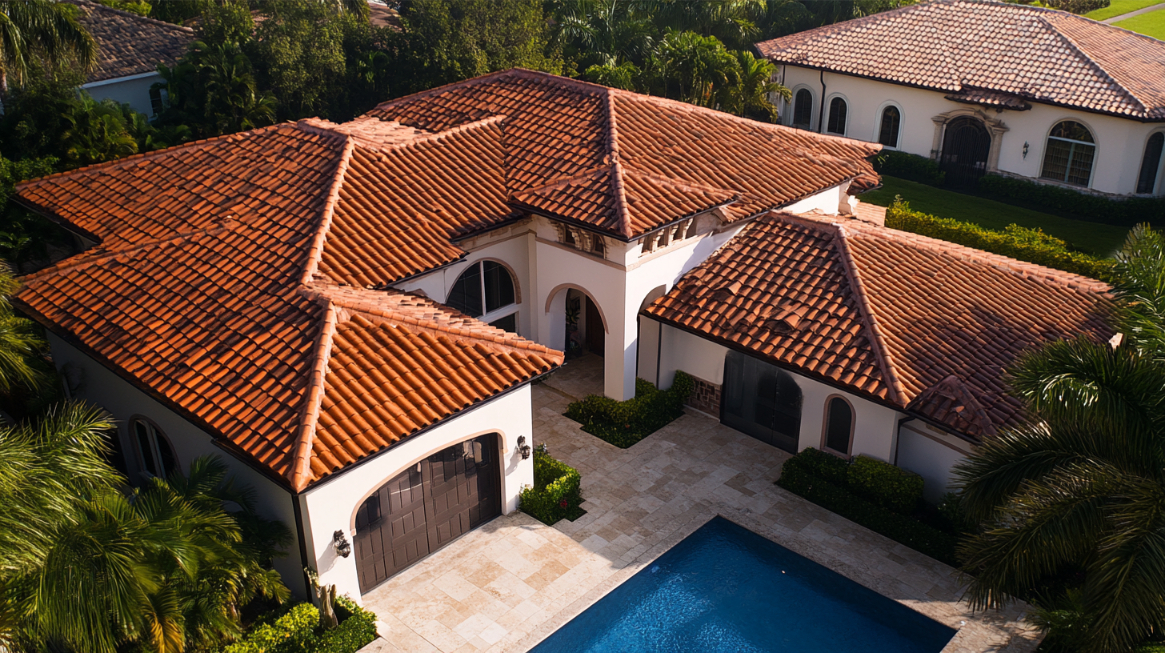
Average Costs in Different Regions of Florida
The cost to replace a roof can vary based on your specific location within Florida. Here’s a brief overview of the average costs in some key regions:
West Palm Beach
- Average Cost Range: $7,000 – $15,000
- Notable Factors: Higher costs due to demand and material availability.
Broward County
- Average Cost Range: $8,000 – $16,000
- Notable Factors: Competitive market, leading to varying labor charges.
Miami-Dade County
- Average Cost Range: $9,000 – $18,000
- Notable Factors: More stringent building codes can affect costs.
Energy Efficiency Considerations
Energy efficiency is another aspect to consider when replacing your roof. An energy-efficient roof can lower your utility bills and reduce your carbon footprint.
Cool Roof Technology
Cool roof technology involves materials that reflect more sunlight and absorb less heat. Common cool roofing options include reflective coatings and lighter-color materials.
Insulation
Proper insulation can significantly improve the energy efficiency of your roof. Ask your contractor about incorporating modern insulation materials and techniques.
Financing Options
Given the substantial cost of roof replacement, exploring financing options is advisable.
Home Equity Loans
A home equity loan uses the equity in your home as collateral. These loans usually offer lower interest rates and longer repayment terms.
Personal Loans
Personal loans are another option, though they typically come with higher interest rates compared to home equity loans.
Credit Cards
Only consider using credit cards for financing if you can pay off the balance quickly to avoid high-interest costs.
Pros and Cons of Different Roofing Materials
Asphalt Shingles
Pros:
- Cost-effective
- Easy to install
- Available in various colors
Cons:
- Shorter lifespan
- Less energy-efficient
- Can suffer wind damage
Metal Roofing
Pros:
- Long lifespan
- High wind resistance
- Energy-efficient
Cons:
- Higher upfront cost
- Can be noisy during rain
Tile Roofing
Pros:
- Durable and long-lasting
- Fire-resistant
- High wind tolerance
Cons:
- Heavy, may require additional structural support
- Higher cost
Slate Roofing
Pros:
- Extremely durable
- Low maintenance
- Unique appearance
Cons:
- Very high cost
- Heavier weight
Signs That It’s Time to Replace Your Roof
Knowing when it is time for a roof replacement can save you from costly repairs and structural damage.
Leaks and Water Damage
Multiple leaks or widespread water damage are clear signs that a roof replacement is necessary.
Aging Roof
If your roof is approaching the end of its lifespan as indicated by the material type (e.g., 20 years for asphalt shingles), it may be time for a replacement.
Visible Damage
Missing, cracked, or curled shingles, as well as sagging areas, are indicators that your roof needs replacement.
Mold and Mildew
Persistent mold and mildew problems can indicate structural issues that necessitate a roof replacement.
Maintenance Tips
Proper maintenance can prolong the lifespan of your roof and delay the need for replacement.
Regular Inspections
Schedule inspections at least twice a year to identify and address minor issues before they escalate.
Cleaning
Keep your roof clean of debris, moss, and algae, which can cause damage over time.
Gutter Maintenance
Ensure that your gutters are regularly cleaned to facilitate proper drainage and prevent water damage.
Replacement Process
Understanding the replacement process can help you prepare adequately.
Initial Consultation
This involves having a contractor assess your current roof and provide an estimate for replacement.
Material Selection
Choose your roofing material based on your budget, aesthetic preferences, and durability requirements.
Removal of Old Roof
The old roof will be removed to make way for the new installation. This process usually takes one to two days.
Installation
The installation of the new roof can take anywhere from a few days to a week, depending on the materials used and the complexity of your roof.
Final Inspection
After installation, a final inspection ensures that the roof meets all regulatory standards and quality benchmarks.
Conclusion
Replacing a roof in Florida is a significant investment that involves various factors including materials, labor, and regional considerations. By understanding these elements and planning accordingly, you can make an informed decision that ensures your new roof is both durable and cost-effective. Greenline Remodeling, with its expertise and focus on quality, can be an invaluable partner in your roofing project. Contact us at info@greenlineremodeling.com or call us at 954-945-9397 to discuss your needs and get a customized quote.
Time for a new roof? Contact us for installation or replacement!